
Review · BERLIN
Berlin: Cold War Walking Tour on Berlin Wall Route
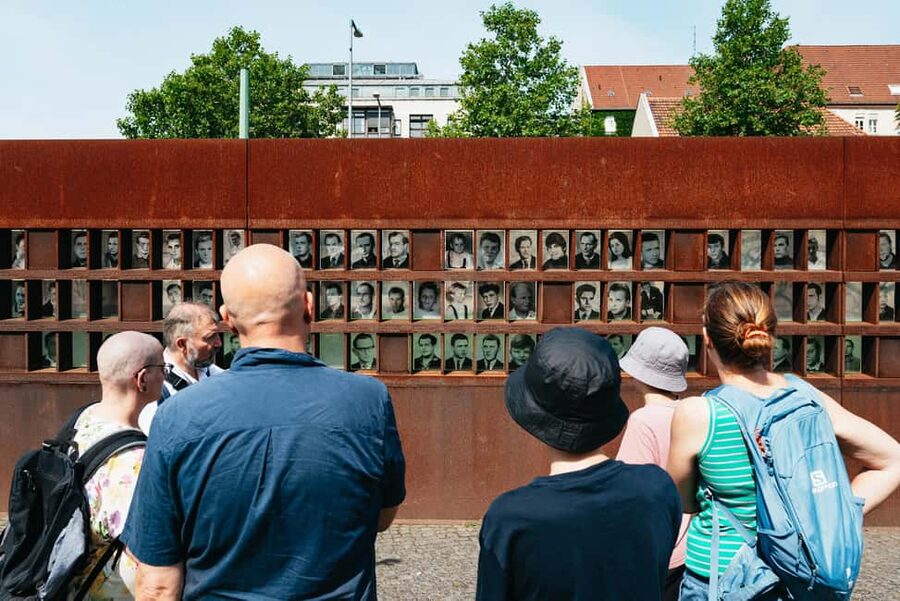
The most moving part of this Berlin Wall walking tour is that you follow the actual former border line rather than viewing the Wall as a single museum object. From Gesundbrunnen toward Prenzlauer Berg, your guide connects fragments, streets, escape attempts, Soviet-era sites, and the events that brought the border down in November 1989.
I like two things in particular: the visit to the Berlin Wall Memorial, where a lookout gives you a broad view of a preserved border strip, and the guide’s use of clear explanations, facts, and a little humor. The main consideration is pace. Two hours is enough for a strong introduction, but not enough to cover every Wall site in Berlin.
Key points to know before booking
- Follow the original Wall route: The walk links Gesundbrunnen with Prenzlauer Berg instead of treating the Wall as an isolated monument.
- See a preserved border area from above: The Berlin Wall Memorial includes a lookout over part of the former border strip.
- Focus on people as well as politics: Stories of escape attempts and personal courage give the Cold War setting a human scale.
- Expect a two-hour history walk: The route is compact, but the subject is serious and information-heavy.
- Choose your language and group style: Tours are offered in German or English, with private and small-group options available.
Why this Berlin Wall route works so well
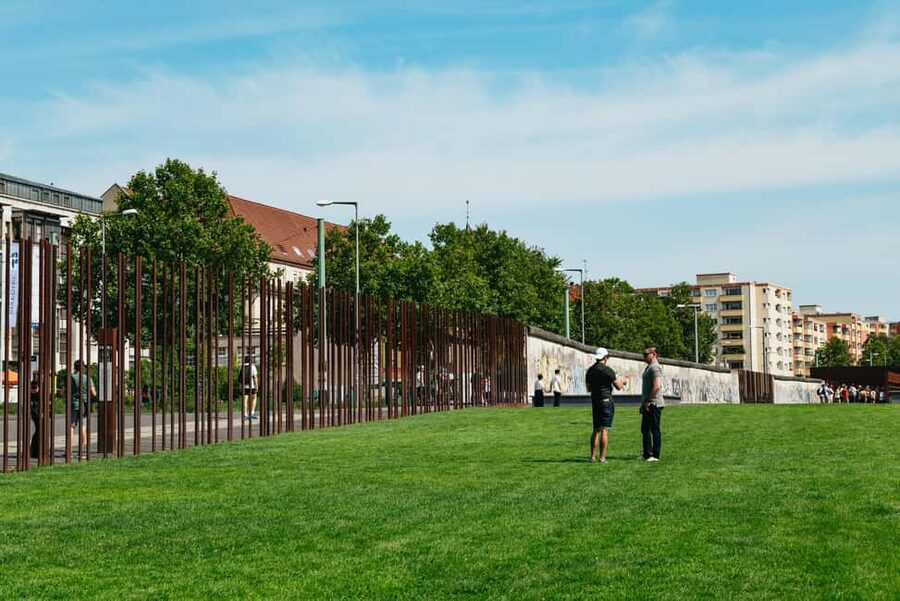
Berlin’s former Wall was not just a concrete barrier. It was a system of fences, patrol routes, watchtowers, open strips, checkpoints, and restricted spaces that cut through ordinary neighborhoods. A walk along its route helps you understand how strange that division was because the border ran through the city people lived in every day.
This experience begins in the Gesundbrunnen area and follows the former line toward Prenzlauer Berg. That direction matters. You are not simply walking between unrelated sights. You are watching the city change as the route reveals where the border stood, how the surrounding neighborhoods were shaped by it, and how modern Berlin grew after reunification.
I find walking especially useful for this subject because maps can make the division look tidy. On the ground, the story feels less neat. Streets, buildings, parks, and residential areas were affected by the Wall in different ways. Your guide supplies the missing connections, explaining what happened from the construction of the Wall in 1961 through the collapse of the border in November 1989.
The tour is also a good choice if you want historical detail without spending a full day in museums. At two hours, it gives you a focused introduction while leaving time for other Berlin sights.
More walking tours around Berlin:
- Discover Berlin Half-Day Walking Tour
★ 5.0 · 9,624 reviews - Berlin City walk Government District and Places of Democracy
★ 4.7 · 8,467 reviews - Berlin: Third Reich & Cold War Guided Walking Tour
★ 4.9 · 8,378 reviews
Starting in Gesundbrunnen and tracing the former border
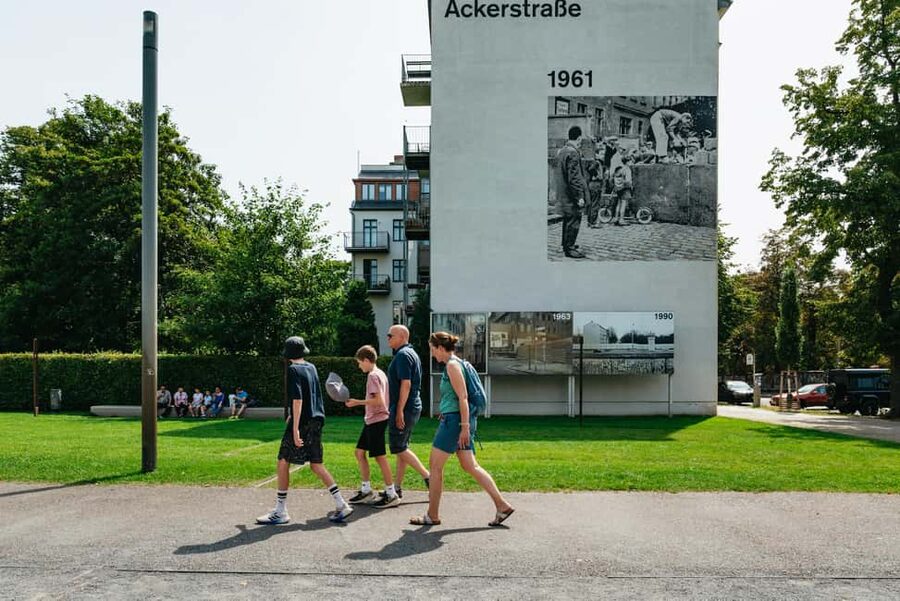
The route begins at a meeting point that can vary according to the option you book. Check the exact starting location when you reserve, since arriving at the wrong end of a long Wall route would be an avoidable nuisance.
From Gesundbrunnen, the guide sets the Cold War scene. You learn how Berlin was divided and why the Wall became such a powerful symbol of the conflict between East and West. The key value here is orientation. Instead of hearing dates in isolation, you begin to connect them with the streets beneath your feet.
The walk follows the original Wall route toward Prenzlauer Berg. Along the way, your guide points out sites linked to the former border and explains the events that shaped them. The route is not presented as a simple line from one photo stop to another. It is a story about a city cut apart, residents facing restrictions, and people who tried to cross despite the danger.
The physical remains of the Wall are only part of the experience. Some sections may be marked by memorials or traces rather than a complete wall, which can disappoint anyone expecting a continuous barrier. That is also why the guide matters. Without explanation, a modern street or open patch of ground may reveal little. With context, the same place becomes part of the border story.
The human stories behind the concrete
Political history can feel remote when it is reduced to leaders, treaties, and dates. This walk gives more attention to the people who lived with the Wall and those who risked their lives trying to get through it.
Your guide shares stories of courage from the Berlin Wall era, including the risks faced by people seeking freedom. These accounts help you understand that the border was not merely inconvenient. It could divide families, limit movement, and turn an ordinary attempt to cross into a life-threatening act.
I appreciate that the experience places these stories alongside the wider history. You hear about the development of the divided city, then see how those decisions affected individuals. That balance keeps the tour from becoming either a dry political lecture or a collection of dramatic tales without context.
The guide’s role is important here. The strongest part of this kind of walk is the explanation connecting one event to the next. Clear delivery matters more than theatrical performance, and the available feedback points to guides who explain the subject plainly, adjust the pace when needed, and keep the group engaged.
A little humor is included, but the subject remains respectful. That is the right tone for a site shaped by fear, separation, escape attempts, and loss.
Seeing the border strip at the Berlin Wall Memorial
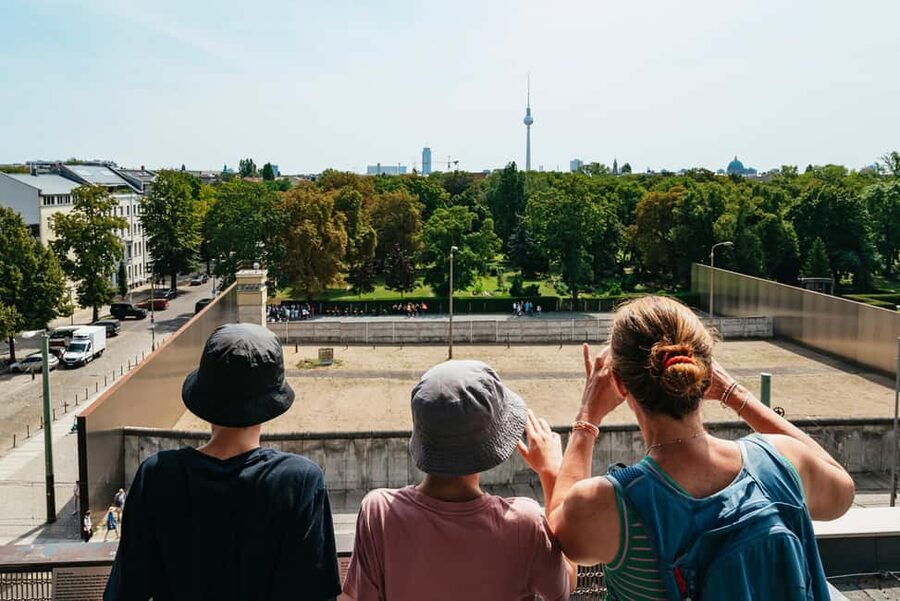
The Berlin Wall Memorial is the central stop and the most substantial preserved area on the route. Here, you can climb a lookout and view a remaining section of the former border strip from above.
This view is valuable because it shows the Wall as a system rather than a painted slab. From the lookout, you can take in the relationship between the barrier, the open strip, and the surrounding city. The layout helps explain why crossing was so difficult and why the border had such a strong effect on daily life.
The memorial also gives the guide a natural place to explain the Wall’s design and the events connected with this section of Berlin. You are not only looking at what remains. You are learning how the border worked and why certain areas became important in the history of division.
Allow yourself a moment to look carefully rather than treating the lookout as a quick photo stop. The modern city sits close by, which makes the contrast especially striking. Berlin has changed, but the memorial preserves a clear sense of what once occupied this space.
There is one practical point to keep in mind: the tour lasts two hours, so the time at the memorial is part of a larger route. If you want a long, unhurried museum visit, you may need to return independently. If you want a guided overview with the memorial included, the stop gives the tour a strong center.
Same streets, a different story:
- Berlin: Discover Berlin Walking Tour
★ 4.9 · 5,998 reviews - Berlin’s Best: 2 Hour Walking Tour Third Reich and the Cold War
★ 5.0 · 5,486 reviews - Berlin: Hidden Backyards Guided Walking Tour
★ 4.8 · 5,360 reviews - Explore Berlin: See All The Iconic Sights & Some Hidden Gems
★ 5.0 · 4,429 reviews
From 1961 to the Wall’s fall in 1989
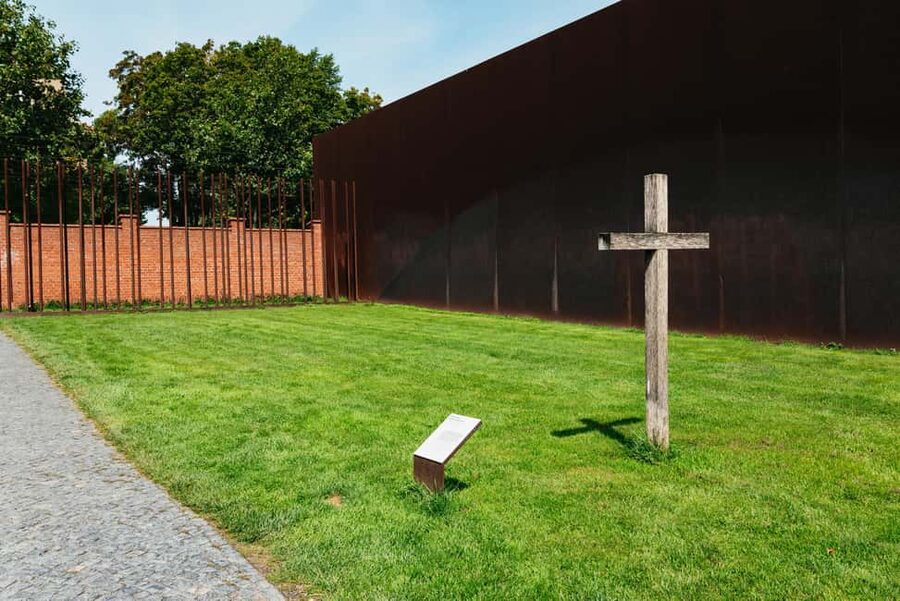
The tour covers the period from the Wall’s construction in 1961 to the reunification period in November 1989. That broad span gives you the main arc of the story without requiring a full course in German history.
The guide explains the forces that shaped divided Berlin, then brings the story forward to the moments that weakened the border and led to its collapse. The end of the tour is not treated as a detached political event. It is presented as the result of years of pressure, protest, courage, and changing conditions.
This timeline is useful if you know the famous images of the Wall coming down but are less clear about what led to that moment. You gain a better sense of why November 1989 mattered and how the event changed Berlin’s identity.
At the same time, you should keep your expectations realistic. A two-hour route cannot offer every detail about the Cold War, East Germany, the Allied powers, or the reunification process. Think of this as a well-shaped introduction, not a complete history of postwar Germany.
Finishing in Prenzlauer Berg
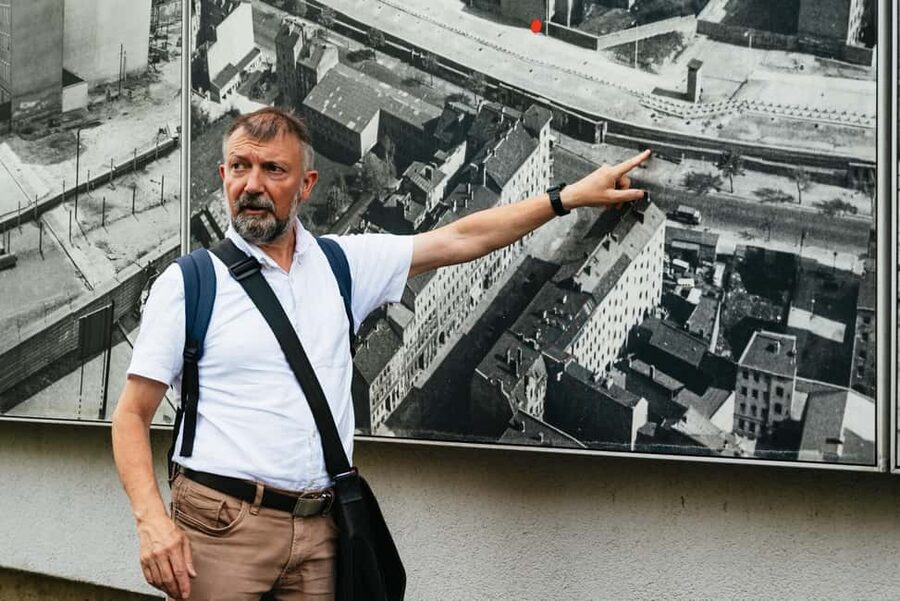
The route finishes in Prenzlauer Berg, a former East German neighborhood known today for its cafes and bars. This gives the experience a useful final note. You end in a part of Berlin where you can pause, eat, or continue exploring after the history walk.
Prenzlauer Berg also reinforces one of the tour’s main ideas: places change. A neighborhood once shaped by the GDR now offers a very different urban atmosphere. The contrast does not erase the past, but it helps you see how reunified Berlin has developed.
The stated activity information says the tour ends back at the meeting point, while the route description places the finish in Prenzlauer Berg. Since meeting points can vary by booking option, confirm the exact start and finish details before you go. That small check will help you plan your next stop.
Pace, language, and group size
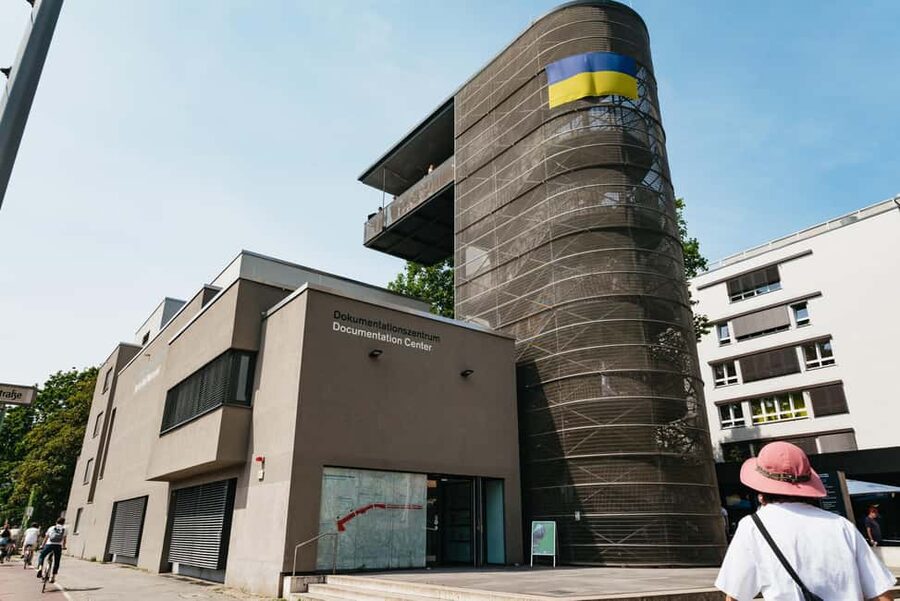
The experience lasts two hours, with starting times available according to the date you choose. That makes it easy to fit into a day of sightseeing, especially if you want to visit the Wall Memorial without committing to a much longer excursion.
The walk has an educational focus, so you should expect regular explanation along the route. The pace has been described as comfortable, and the guide can be flexible with the group. Still, wear practical shoes and plan for an outdoor walk. The experience is built around moving through the city, not sitting in a museum gallery.
Tours are available in German and English. Private and small-group options are also offered. A private or smaller format can be worthwhile if you want more room for questions or prefer a less crowded experience, though the $26 per person price is most attractive when you are comparing it with the cost of arranging a private history guide on your own.
Because the route and meeting point can vary by booked option, read those details carefully. You do not need to plan complicated transport for the walk itself, but you do need to know where the group gathers.
Is $26 a fair price?
At $26 per person, the tour is priced as a modest guided introduction rather than a full-day private experience. You are paying for a live guide, a structured route, historical interpretation, and entry to the Berlin Wall Memorial portion of the walk. The park and public areas themselves may be free, but the guide gives those places meaning and sequence.
That distinction is important. You can walk around parts of the former Wall route without paying anything. What you cannot easily reproduce is the guide’s timing, local route knowledge, explanations, and ability to connect separate sites into one story.
The value is strongest if this is your first serious look at Berlin’s Cold War history. You get the basic timeline, the major human themes, a preserved border view, and a finish in Prenzlauer Berg, all within two hours.
The value is less certain if you already know Berlin’s Wall sites well or plan to spend a full day at memorials and museums. In that case, you may prefer to explore independently and spend more time at each location.
Free cancellation up to 24 hours before the tour and the option to reserve now and pay later also make the booking less rigid. Those policies are useful when your Berlin schedule is still changing.
Who should book this walk?
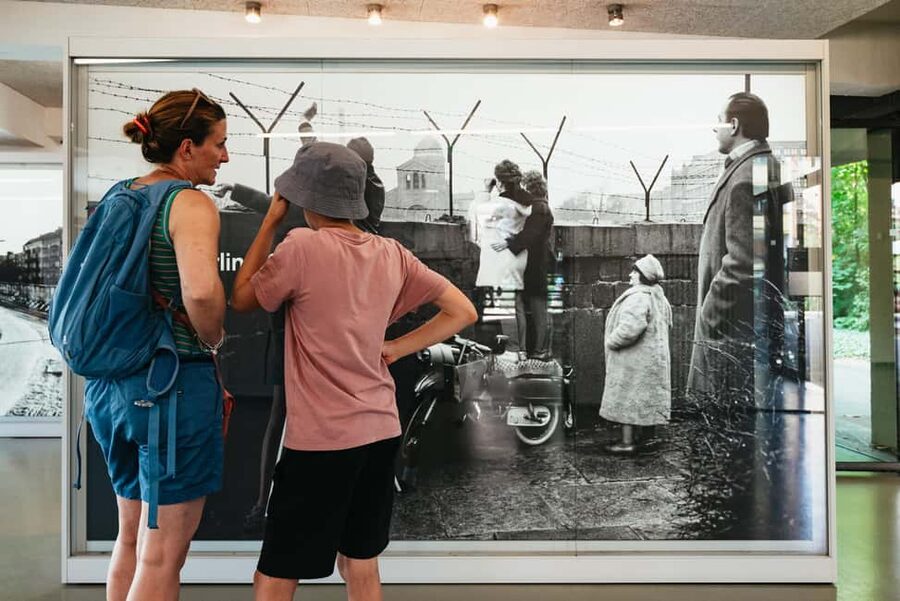
I would choose this tour for a first visit to Berlin, especially if you want history explained in plain language rather than absorbed through display panels alone. It also suits visitors who want a compact activity that fits between larger sights.
Families with older children and teenagers may find the human stories more engaging than a long museum visit, though the subject is serious and requires attention. History-minded visitors will appreciate the route and memorial stop, while casual sightseers will gain a better understanding of why Berlin looks the way it does today.
The tour may not suit you if you want to move at your own pace, take extensive photographs, or spend long periods at one memorial. It is also not the right pick if your main goal is nightlife, food, or architecture. The route ends near cafes and bars, but the experience itself is firmly about the Wall and the Cold War.
My recommendation
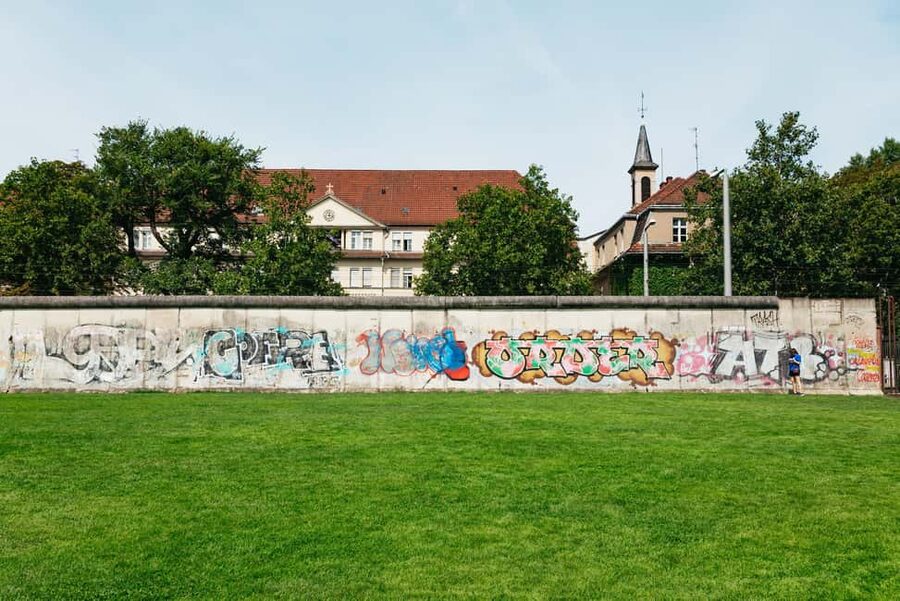
Book this Berlin Wall walking tour if you want a focused, human explanation of the former border at a reasonable price. The strongest reasons are the original route from Gesundbrunnen to Prenzlauer Berg, the lookout over the preserved border strip, and the guide’s clear connection between major events and personal courage.
Skip it only if you already have a detailed plan for Berlin’s Wall sites or prefer independent exploration. For most first-time visitors, two hours is a useful amount of time: long enough to understand the story, short enough to leave room for the rest of the city.
FAQ
Where does the Berlin Wall walking tour take place?
The tour takes place in Berlin, following the former Wall route from Gesundbrunnen toward Prenzlauer Berg.
How long does the tour last?
The walking tour lasts two hours.
What languages are available?
The live tour guide is available in German and English.
What is included in the activity?
The price includes the walking tour, a live guide, and a visit to the Berlin Wall Memorial.
Will I visit the Berlin Wall Memorial?
Yes. The tour includes a visit to the Berlin Wall Memorial.
Can I see a preserved part of the former border?
Yes. At the memorial, you can climb a lookout and view a preserved area of the former border strip.
Is this a private tour?
Private and small-group options are available. The exact group type depends on the option you book.
Where does the tour start?
The meeting point can vary depending on the option booked. Check the confirmed meeting details before setting out.
Where does the tour end?
The route description places the finish in Prenzlauer Berg, while the activity information says the experience ends back at the meeting point. Confirm the exact details for your selected option.
Can I cancel the booking?
Yes. You can cancel up to 24 hours in advance for a full refund. You can also reserve now and pay later.
New walking tours around Berlin
- Berlin: 2.5-Hour Walking Tour through Kreuzberg 61★ 4.9 · 525 reviews
- From Berlin: Potsdam & Sanssouci half day Walking Tour★ 4.9 · 85 reviews
- East Berlin and the Wall: Walking Tour★ 4.9 · 407 reviews
- Cold War, Berlin Wall, Spies and the East Side Gallery★ 4.8 · 254 reviews
- Berlin: Walking Tour of the Top 10 Sightseeing Attractions★ 4.7 · 150 reviews
- Berlin: The Time of National Socialism Walking Tour★ 5.0 · 220 reviews
- Berlin: walking tour about Charité★ 4.4 · 537 reviews
- Berlin: Kreuzberg Guided Walking Evening Tour★ 4.7 · 555 reviews
Berlin Walking Tours, side by side.
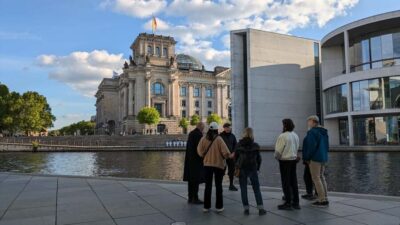
Berlin City walk Government District and Places of Democracy
Read our review →
Berlin: Third Reich & Cold War Guided Walking Tour
Read our review →
Berlin’s Best: 2 Hour Walking Tour Third Reich and the Cold War
Read our review →

Explore Berlin: See All The Iconic Sights & Some Hidden Gems
Read our review →
Third Reich Berlin: Hitler and WWII Walking Tour
Read our review →Lists this walk sits on