
Review · BERLIN
Berlin: Kreuzberg Guided Walking Evening Tour
Kreuzberg after dark is more than bars and cafés. It is a neighborhood shaped by immigration, protest, punk music, street fights, and stubborn local pride. This two-hour walk begins around Kottbusser Tor, known locally as Kotti, then follows streets where Berlin’s recent past still feels close to the pavement.
I like the focus on local stories rather than grand monuments, especially the tales of the Mother of all Street Fights and Berlin’s own Jack the Ripper. I also like the small-group or private format, which gives you room to ask questions. The main drawback is that this is a walking tour through a lively urban district, so expect city noise, crowds around bars, and a route that may feel less polished than central Berlin.
Key points
- Kottbusser Tor sets the tone: Start at Kotti, Kreuzberg’s famous meeting point and transport hub.
- Oranienstraße tells the neighborhood story: Hear how the district grew densely during the 19th century.
- SO36 brings punk-era Kreuzberg to life: Learn about the club, anarchist music, and clashes with authorities.
- Görlitzer Park adds a darker tale: The walk includes Berlin’s story of its own Jack the Ripper.
- Evening timing matters: Bars and cafés are active, giving you a useful look at present-day Kreuzberg.
- The route ends on Bevernstraße: Plan your onward journey from the final stop rather than back at Kotti.
Why Kreuzberg makes a good evening walk
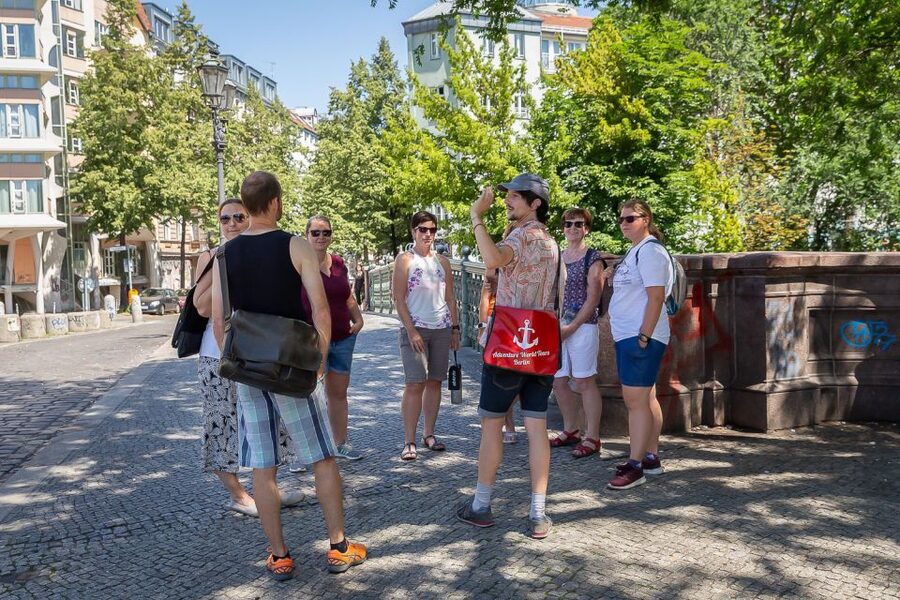
Kreuzberg is one of Berlin’s best districts for understanding how a neighborhood can change without losing all of its rough edges. The area grew rapidly in the 19th century, becoming densely populated and closely tied to working-class life. Later, it became known for political protest, squatting, punk music, immigration, and street-level resistance.
This tour uses those layers as its subject. You are not simply being led past attractive buildings. You are hearing why certain streets became symbols, how local identity was shaped, and why Kreuzberg still carries a rebellious reputation.
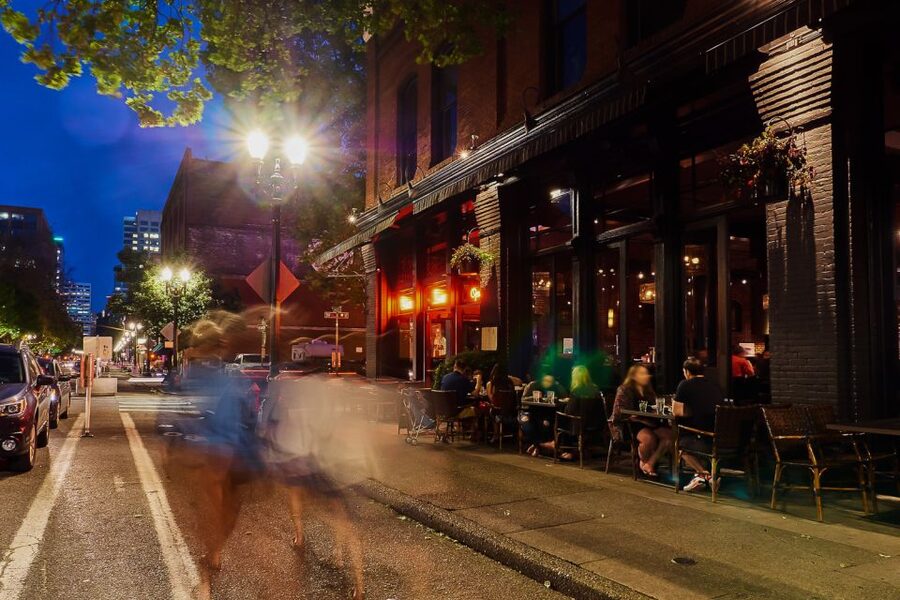
The evening timing is important. In daylight, you can study façades and traffic patterns. After dark, you see another side of the district: cafés fill up, bars become meeting points, and the streets feel social rather than merely historic. The tour does not include drinks or a stop inside a bar, but it places you in the middle of Kreuzberg’s nighttime rhythm.
At $27 per person, the experience is priced like an accessible introduction rather than a major splurge. For two hours with a live guide, the value depends on how much you want context. If you already know Kreuzberg well, the route may repeat familiar streets. If this is your first visit, the stories can help you see ordinary corners as part of Berlin’s political and cultural story.
More Night Walking Tours in Berlin:
- Private Street Food Evening Walking Tour in Ho Chi Minh City
★ 5.0 · 3,175 reviews - Granada: Albaicín and Sacromonte Guided Sunset Walking Tour
★ 4.9 · 2,962 reviews - Bremen: Walking Tour in German with Night Guard
★ 4.7 · 2,922 reviews
Starting around Kottbusser Tor
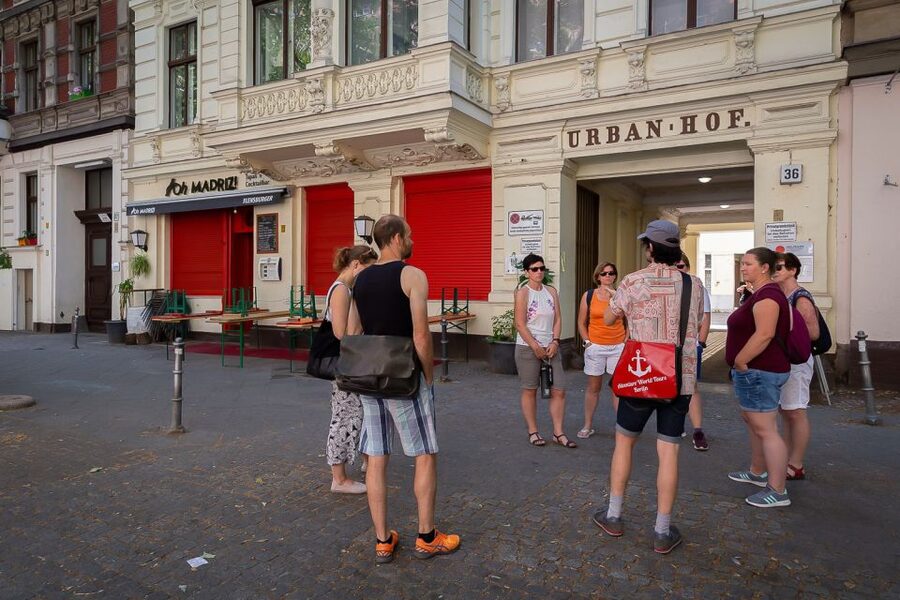
The walk begins at one of two possible meeting points, listed as FightClub Casino or Cems Burgerhouse, depending on the option you book. Check the exact meeting location before setting out, since the starting point is not identical for every booking.
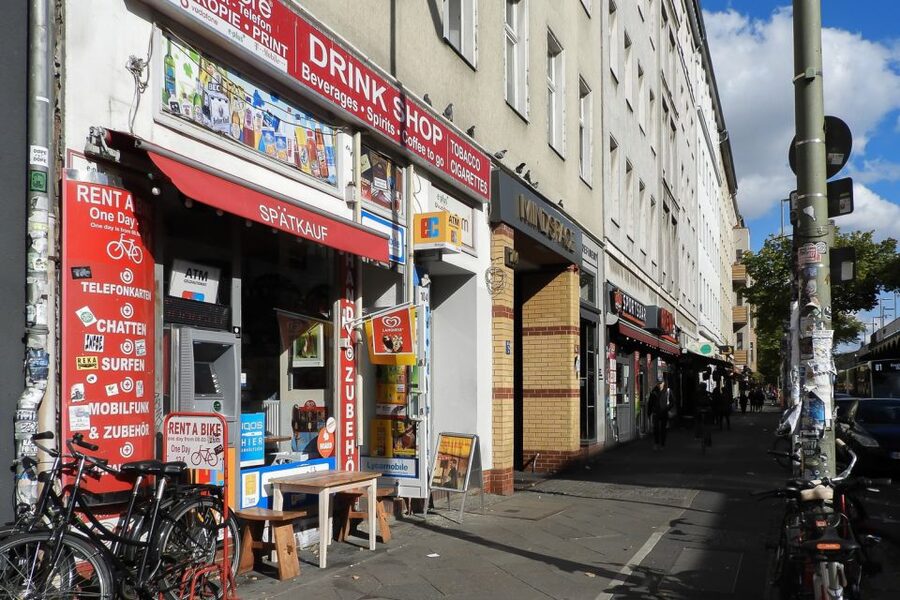
The route then moves toward Zentrum Kreuzberg, where you get your first orientation to the district. This early section is useful because Kreuzberg can feel scattered at first. Kotti is loud, busy, and full of movement, but it gives you a clear sense of the area’s present-day energy.
Your guide provides an overview of Kreuzberg’s history, daily life, and culture before the walk settles into its specific stories. That opening matters. Without it, the later references to protest, migration, music, and street conflict could feel like disconnected anecdotes.
Give yourself enough time to arrive. The tour lasts two hours, and the meeting point can vary. Comfortable shoes are essential, since the whole experience takes place on foot.
Oranienstraße and the crowded 19th century
The route continues to Oranienstraße 24 and later Oranienstraße 190. These stops place you on one of Kreuzberg’s key streets while the guide explains how the district developed in the 19th century.
The useful detail here is density. Kreuzberg’s identity did not appear overnight. It grew from packed urban housing and a large population living close together. That background helps explain why the neighborhood later became such a strong setting for community organizing, protest, and cultural exchange.
Expect short walking sections between stops, with guided sightseeing and time for photographs. The schedule lists around 20 minutes at each of the two Oranienstraße locations, though the exact balance between walking and explanation may depend on the group.
I like this part of the route because it gives you a way to read the street beyond its current cafés and shops. You see a functioning neighborhood, but you also hear about the conditions and conflicts that helped shape it.
The Mother of all Street Fights
Kreuzberg’s rebellious reputation is not just a vague image of punk bands and political posters. The tour focuses on a major episode known as the Mother of all Street Fights.
The supplied details do not spell out every event in this story, so your guide becomes especially important here. Ask questions if you want dates, causes, or a clearer account of who was involved. The subject fits Kreuzberg’s character: public space became a place for confrontation, and the relationship between residents, police, and government was often tense.
The stop at Oranienstraße 190 gives the story a physical setting. You are not listening to a general lecture in a museum room. You are standing on the street, seeing the area where the events and their memory belong.
This is also one reason the tour works best for people who enjoy urban history. The appeal is less about a single famous monument and more about understanding why a normal-looking street mattered.
More walks with a guide around Berlin:
- Berlin: Third Reich & Cold War Guided Walking Tour
★ 4.9 · 8,378 reviews - Berlin: Hidden Backyards Guided Walking Tour
★ 4.8 · 5,360 reviews - Berlin: City Street Art Guided Walking Tour
★ 4.8 · 1,051 reviews - Berlin: History of the Third Reich Guided Walking Tour
★ 4.7 · 791 reviews
Mariannenstraße and the SO36 music story
At Mariannenstraße 15, the route turns toward the world of Kreuzberg’s music and protest culture. The nearby SO36 club is one of the most important names on the walk.
During the 1970s and 1980s, SO36 hosted anarchist punk and new wave bands. The club became associated with a scene that challenged official authority, and its events could provoke the government and police. Your guide explains how a music venue became part of a wider argument about freedom, control, and who had the right to shape the neighborhood.
This is a strong stop for anyone interested in music history. You do not need to be a punk fan to appreciate the point. SO36 shows how culture can be political without looking like a formal political meeting. A club, a band, and a crowd can all become part of a public dispute.
The tour includes a stop at Mariannenstraße 15, followed by Lausitzer Platz 8 A. Together, these locations give the music story room to develop. You should not expect a concert or entry into the club. The value lies in the guide’s explanation and the chance to connect the venue with the surrounding streets.
Small groups make the stories better
Private and small-group options are available, and this matters more here than it would on a simple photo walk. Kreuzberg’s history includes names, conflicts, and local details that naturally invite questions.
Guides named Stefan and Kevin have led this experience. Stefan is described as presenting Kreuzberg’s special character with clear enthusiasm, while Kevin has been praised for making the tour informative and easy to follow. Guide assignments can change, so book with the understanding that the exact person may not be guaranteed.
A small group also helps with the practical side of city walking. You can hear the guide more easily near traffic, pause for a question, and spend a little longer on a story that catches your interest. The route still has a fixed two-hour structure, so it is not a fully custom tour, but the conversation can feel more personal than a large group outing.
The tour is offered in German and English. If you have a particular language preference, select it when booking and confirm the meeting details.
Görlitzer Park and Berlin’s Jack the Ripper
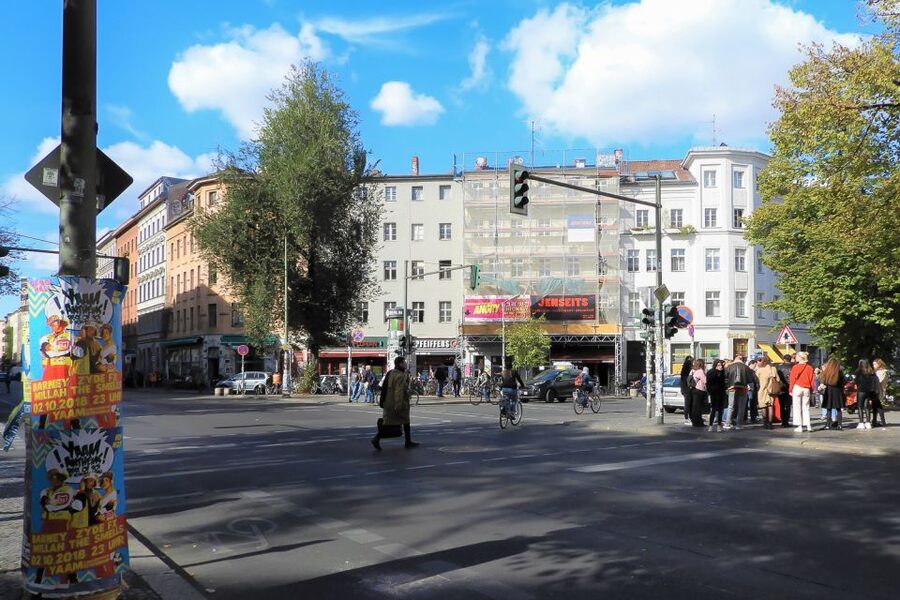
The route reaches Görlitzer Park after stops around Lausitzer Platz. The park is one of the most recognizable open spaces in this part of Kreuzberg, and it changes the feel of the walk. After dense streets and club history, you get a broader public setting.
Here the guide tells the story of Berlin’s own Jack the Ripper. The wording suggests a local crime tale rather than a connection to the famous London case. Since the provided details do not identify the person or explain the full story, expect your guide to supply the main narrative.
This is likely the tour’s most atmospheric section. Evening darkness, a public park, and a murder story make a natural combination, though the subject may not suit everyone. If you prefer architecture, food, or cheerful neighborhood stories, this part may feel more sensational than the rest.
The itinerary allows about 20 minutes for the Görlitzer Park section. That gives you time to hear the story and look around, but not enough for a long independent exploration of the park.
The Pamukkale fountain ruins
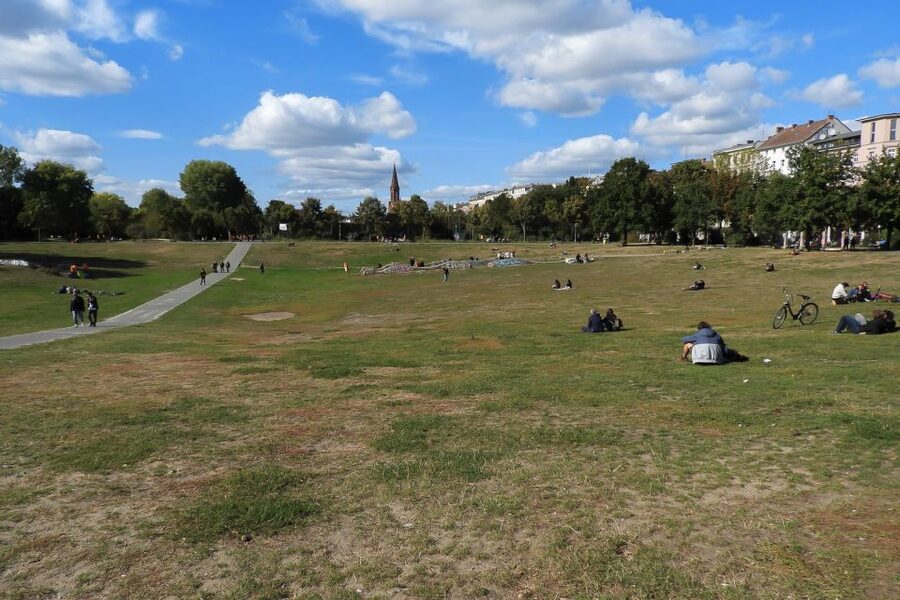
The next stop is the Ruinen des Pamukkale-Brunnens, the ruins of the Pamukkale Fountain. It is a shorter visit, listed at about 10 minutes, but it adds a different kind of local story to the route.
Rather than moving from one famous Berlin landmark to another, the walk includes a place whose meaning comes from its neighborhood setting and present condition. The ruined fountain shows how public projects and urban features can acquire their own local identity, even when they no longer look new or complete.
This is a good point to keep expectations realistic. You are not visiting a grand monument with a long museum display. The stop is brief and works best when paired with the guide’s explanation.
Oppelner Straße and Bevernstraße
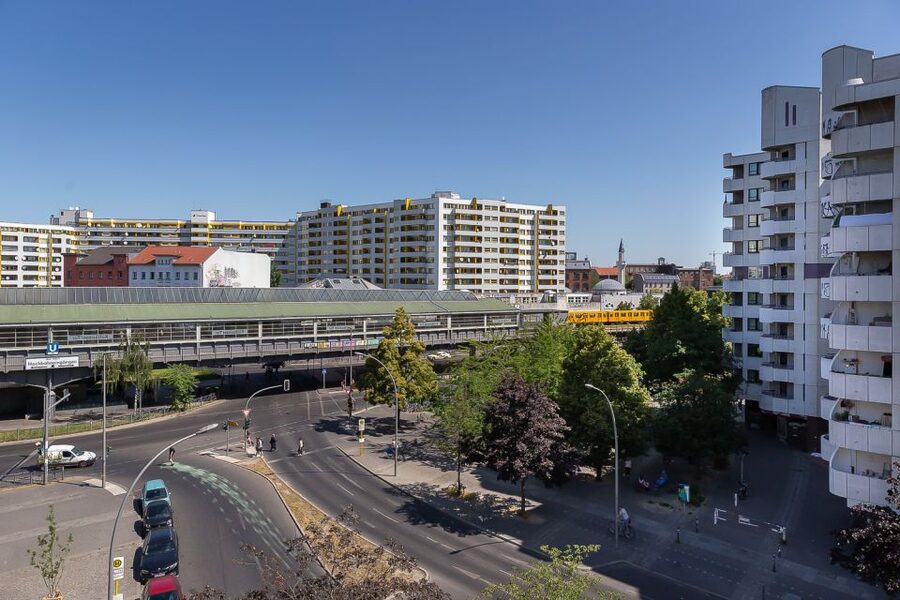
The final stretch includes Oppelner Straße 3 and Bevernstraße 6. These stops continue the walk through Kreuzberg’s everyday streets rather than bringing you to a single headline attraction.
At Oppelner Straße, you have another chance to connect local places with the district’s social and political past. The route then reaches Bevernstraße, where the tour ends. The itinerary gives roughly 15 minutes for Oppelner Straße and 10 minutes at Bevernstraße, including free time and sightseeing.
The finish is not back at Kottbusser Tor. That is worth noting when planning dinner, drinks, or transport afterward. You may find the final location convenient for continuing your evening in Kreuzberg, but you should check the map and decide where you want to go next before the walk begins.
What the $27 price really buys
The $27 fee covers the walking tour and live guide. There are no listed drinks, meals, attraction entries, or transport costs, so the price is mainly paying for interpretation and local storytelling.
That is fair value if you want a focused introduction to Kreuzberg. In two hours, you cover Kotti, Oranienstraße, Mariannenstraße, SO36, Lausitzer Platz, Görlitzer Park, the Pamukkale Fountain ruins, Oppelner Straße, and Bevernstraße. You also get a narrative linking 19th-century urban growth with punk culture, protest, crime stories, and modern nightlife.
The value is less certain if you want a slow photo tour. The route has several timed stops, so you will keep moving. It is also not designed as a food tour or bar crawl, even though you will see packed cafés and bars along the way.
A small private group can make the cost easier to justify. You are paying for a more focused exchange with the guide, not simply for someone to point out streets. For a larger party, the private option may also make planning simpler.
Who should book this Kreuzberg walk
I would recommend it to first-time Berlin visitors who want to understand the city beyond the Brandenburg Gate and Museum Island. It is especially suited to you if you like political history, music, city neighborhoods, local legends, and stories about how residents pushed back against authority.
It also works well for repeat visitors who have already seen central Berlin. Kreuzberg offers a different subject and a different pace. You are learning through streets, clubs, parks, and public spaces rather than through formal exhibits.
You may want another type of tour if you dislike urban walking, prefer major landmarks, or want a detailed architectural survey. The route is story-led. The guide’s ability to explain the area is central to the experience, and the quality may vary slightly with the individual guide.
Wear comfortable shoes and dress for the weather. Evening conditions can change quickly, and the tour remains outdoors for two hours.
Should you book it?
Book this tour if you want Kreuzberg explained through its people, conflicts, music, and nighttime character. The strongest parts are the SO36 story, the account of the Mother of all Street Fights, and the chance to ask questions in a small group.
At $27, it is a sensible way to get oriented before exploring Kreuzberg on your own. Just confirm the meeting point, check the language, and remember that the walk ends on Bevernstraße rather than at Kotti. If those details suit your plans, this is a practical and engaging introduction to one of Berlin’s most distinctive districts.
FAQ
How long does the Kreuzberg evening tour last?
The tour lasts two hours, though one booking description records a group experience of about two and a half hours. Check the available starting time and current schedule when booking.
What language is the tour offered in?
The live guide is available in German or English.
Where does the tour start?
There are two possible starting locations, FightClub Casino and Cems Burgerhouse. The exact meeting point depends on the option booked.
Where does the tour finish?
The tour finishes at Bevernstraße 6.
What should I bring?
Bring comfortable shoes and clothing suitable for the weather. The experience is a two-hour walking tour outdoors.
Can I cancel or pay later?
You can cancel up to 24 hours before the tour for a full refund. A reserve-now, pay-later option is also available.
New walking tours around Berlin
- Berlin: 2.5-Hour Walking Tour through Kreuzberg 61★ 4.9 · 525 reviews
- From Berlin: Potsdam & Sanssouci half day Walking Tour★ 4.9 · 85 reviews
- East Berlin and the Wall: Walking Tour★ 4.9 · 407 reviews
- Cold War, Berlin Wall, Spies and the East Side Gallery★ 4.8 · 254 reviews
- Berlin: Walking Tour of the Top 10 Sightseeing Attractions★ 4.7 · 150 reviews
- Berlin: The Time of National Socialism Walking Tour★ 5.0 · 220 reviews
- Berlin: walking tour about Charité★ 4.4 · 537 reviews
- Berlin : Must-see attractions Walking Tour★ 4.8 · 83 reviews
Berlin Walking Tours, side by side.
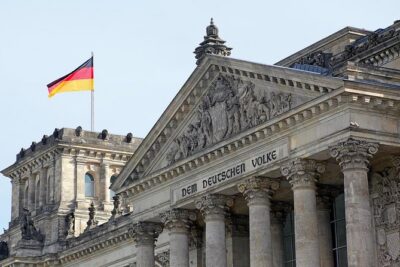
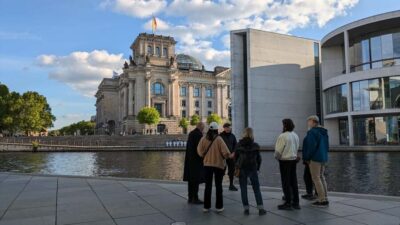
Berlin City walk Government District and Places of Democracy
Read our review →
Berlin: Third Reich & Cold War Guided Walking Tour
Read our review →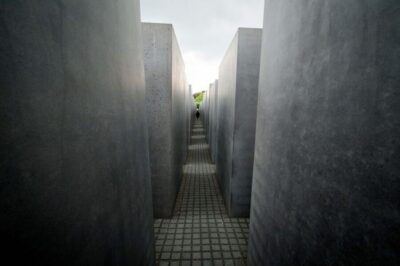
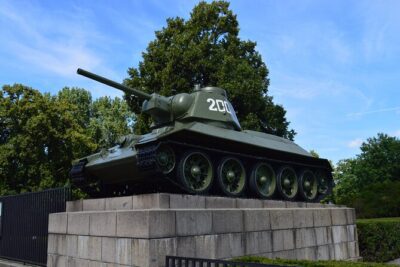
Berlin’s Best: 2 Hour Walking Tour Third Reich and the Cold War
Read our review →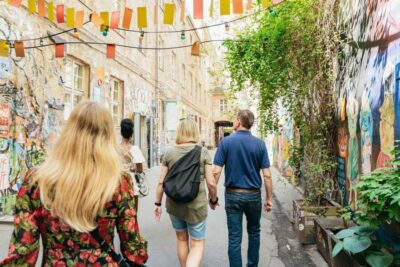

Explore Berlin: See All The Iconic Sights & Some Hidden Gems
Read our review →
Third Reich Berlin: Hitler and WWII Walking Tour
Read our review →Lists this walk sits on