
Review · BERLIN
Berlin: Alternative Berlin Walking Tour
Berlin’s alternative culture is not tucked away in one arts district. It is written across walls, old industrial spaces, cafés, squats, markets, music venues, and neighborhoods shaped by migration. This four-hour walk takes you from Alexanderplatz and Mitte toward Kreuzberg and Friedrichshain, showing how Berlin’s strange, creative side grew out of political change and everyday life.
I like the way the tour links ordinary places to big ideas, from currywurst and döner to graffiti, punk, gay culture, African communities, and former Jewish neighborhoods. I also like the guides’ personal style. Rhys, Reece, Jake, Jonathan, Damien, Ben, and Antonio have all led highly praised outings, with humor and strong storytelling. The main drawback is pace: four hours on foot, with some public transport, can feel demanding, especially in bad weather or if you have mobility concerns.
Key points to know
- Start at Alexanderplatz: Meet in front of Vapiano by the TV Tower, then leave the usual postcard route behind.
- Mitte and Kreuzberg together: See how central Berlin and its multicultural districts reflect different chapters of the city.
- Counterculture is the subject: Expect stories about squats, punk, graffiti, music, activism, cafés, and community projects.
- Food has a role: The tour explores the origins of currywurst and döner, with a possible local fast-food stop.
- English and guide-led: The tour runs with a live English-speaking guide, with Rhys, Reece, Jake, Jonathan, Damien, Ben, and Antonio among the named guides.
- Plan for transport: An AB ticket may be needed. If you prefer not to handle this yourself, book the option that includes BVG transport.
Why this Berlin tour feels different
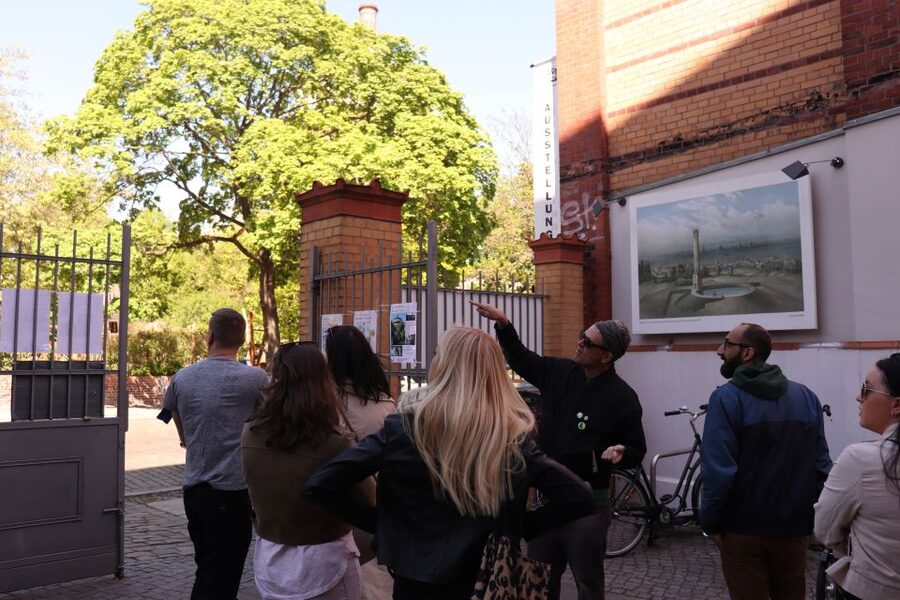
Many first-time Berlin walks focus on the Brandenburg Gate, the Berlin Wall, World War II, or the Cold War. Those subjects matter, but they do not explain the whole city. This tour looks at what happened after political upheaval, and how Berliners used empty buildings, vacant lots, canals, cafés, clubs, and walls to create new ways of living.
You will hear about the city’s punk soul, alternative housing, graffiti artists, music scenes, and long-running squats. The point is not simply to collect unusual sights. It is to understand why Berlin developed a reputation for tolerance, experimentation, and social freedom.
I find that approach useful because Berlin can seem scattered at first. One street feels grand and formal, the next looks rough, improvised, or playful. A good guide helps connect those contrasts to the city’s divided past, changing population, and habit of giving old spaces new purposes.
The tone is lively rather than academic. Guides are expected to keep a group moving and engaged for four hours, and the strongest names attached to this tour, including Rhys, Reece, Jake, and Jonathan, are repeatedly praised for humor, clear narration, and personal insight. Damien, Ben, and Antonio have also led tours praised for energy and strong local storytelling.
More walking tours around Berlin:
- Discover Berlin Half-Day Walking Tour
★ 5.0 · 9,624 reviews - Berlin City walk Government District and Places of Democracy
★ 4.7 · 8,467 reviews - Berlin: Third Reich & Cold War Guided Walking Tour
★ 4.9 · 8,378 reviews
Starting at Alexanderplatz and heading into Mitte
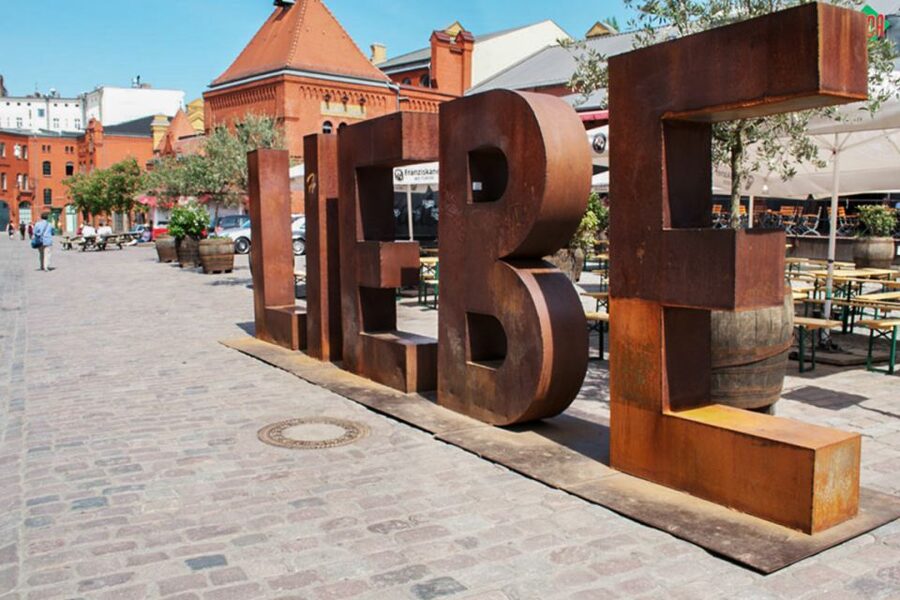
Meet in front of Vapiano by the Alexanderplatz TV Tower. This is an easy landmark to find, but Alexanderplatz itself represents the more familiar side of Berlin: broad open space, a famous tower, public transport, and a steady flow of people.
From there, the tour begins to peel back the city’s surface. The first guided section in Mitte lasts about an hour. Rather than treating Mitte as only the center of monumental Berlin, the walk looks at cafés, local shopping areas, street art, and cultural changes that have shaped the district.
Mitte is useful as a starting point because it brings several versions of Berlin close together. You may encounter polished streets, independent places, traces of earlier communities, and creative spaces operating side by side. The guide’s job is to explain how those layers fit together.
Expect plenty of stops for stories and photographs. The tour includes selected photo opportunities and refreshment breaks, though you should not treat it as a full meal tour. The currywurst connection is one of the more accessible parts of the experience. Food becomes a way to discuss Berlin’s postwar identity and the influence of migration, not just an excuse for a snack.
Kreuzberg’s Turkish roots and multicultural streets
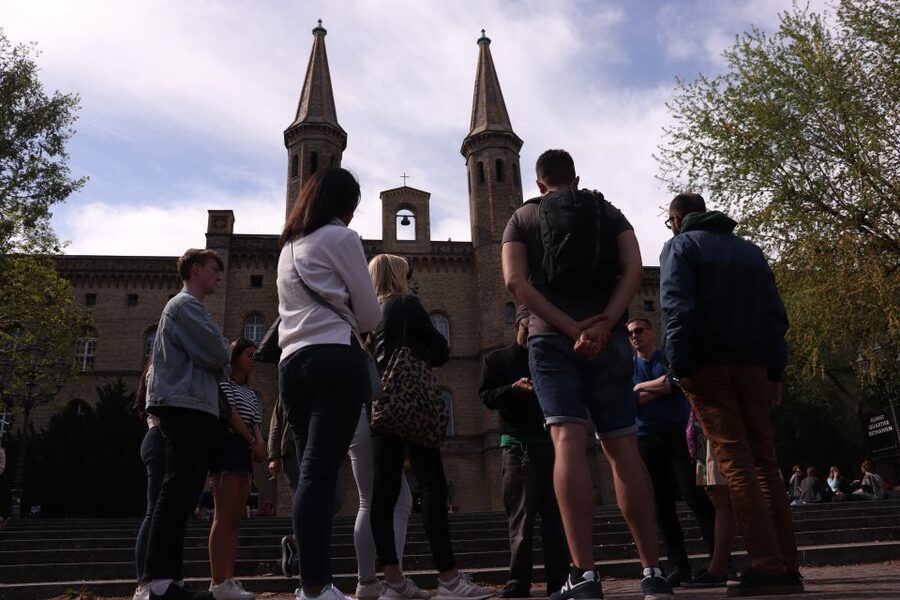
The Kreuzberg section takes about two hours and is the heart of the route. This is where the tour shifts from central Berlin into a district strongly associated with Turkish communities, migration, music, political action, nightlife, and alternative housing.
You will learn about the Turkish neighborhoods in Kreuzberg and the role different immigrant communities have played in shaping Berlin. The tour also covers African communities and former Jewish communities, helping you see the district as more than a backdrop for nightlife or murals.
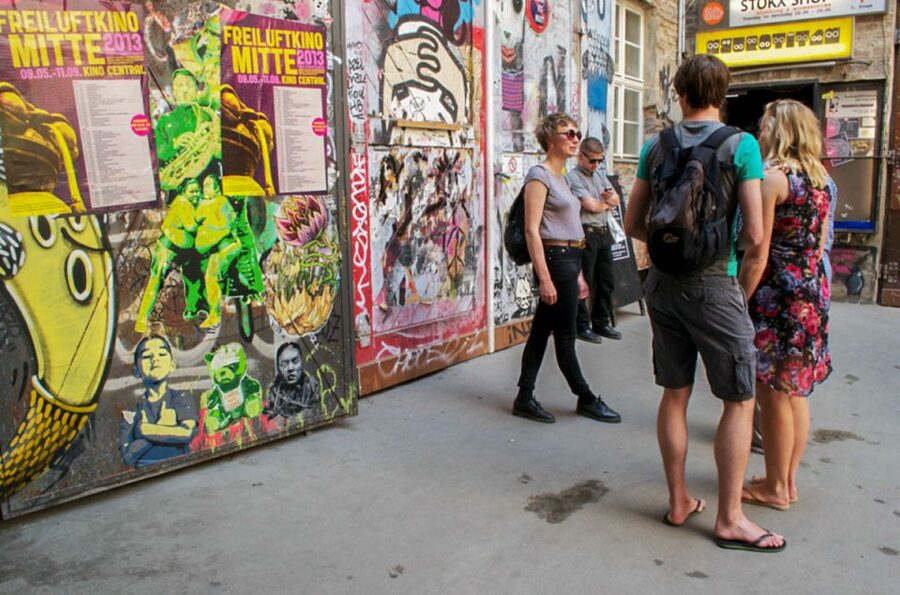
This is one of the strongest reasons to book the walk. Kreuzberg can be easy to photograph and hard to understand. A wall covered in graffiti may look like decoration until someone explains the artist, the politics, the building’s past, or the reason the image matters locally.
The same is true of Berlin’s gay community. The tour includes a stop in one of the city’s well-known gay districts and places that history within the larger story of Berlin’s social movements. The emphasis is on how different groups have shaped the city, not on presenting one simple idea of Berlin as permanently free and progressive.
That balance matters. Berlin’s alternative culture is not just colorful. It has been tied to housing struggles, political beliefs, migration, music, and disputes over who gets to use valuable urban space. The guides bring those subjects into ordinary streets, which makes them easier to grasp than a list of dates in a museum.
Graffiti, galleries, canals, and community projects
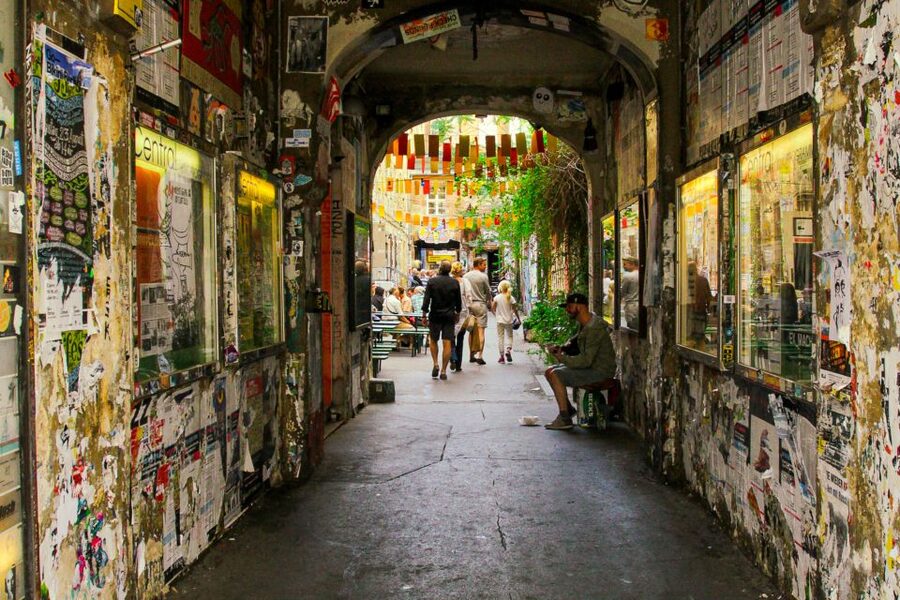
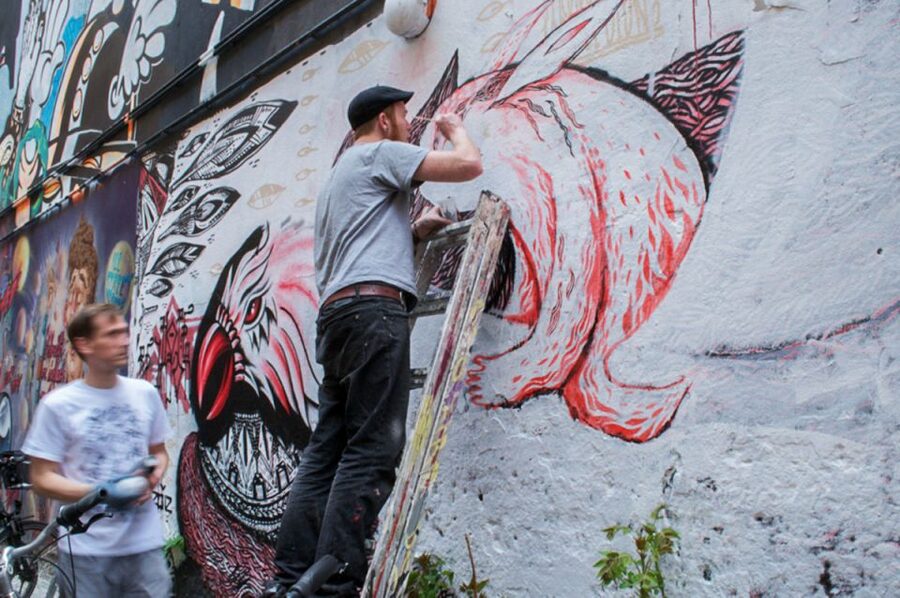
Street art and graffiti receive serious attention. You will see murals and smaller works close up, with explanations of the artists and the scenes behind them. The quality of the stop depends partly on the route chosen that day, since street art changes and some places are temporary.
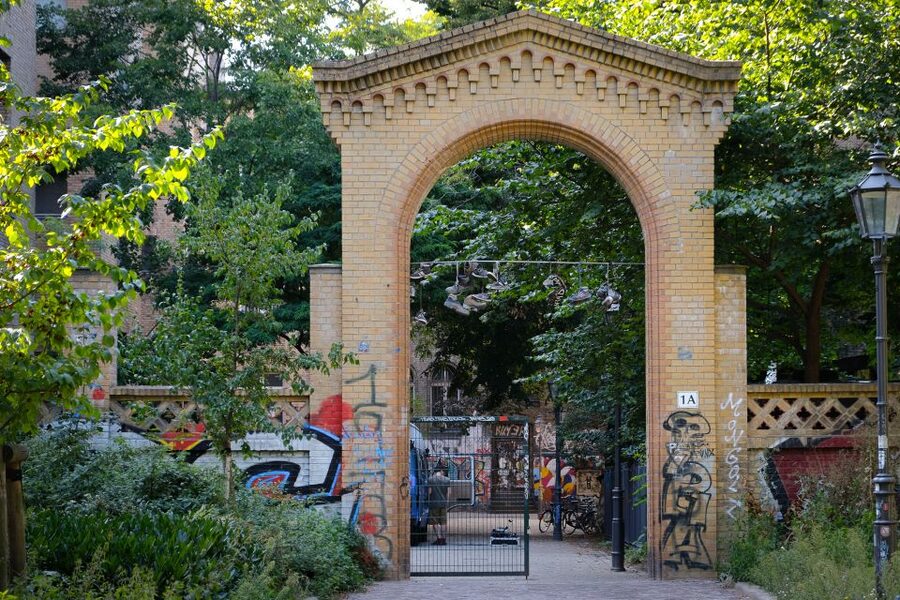
The route may also include underground galleries, relaxing canals, and community-funded urban farms. These places show Berlin’s habit of turning leftover or neglected spaces into something useful, social, or creative.
I like this part because it gives the tour a physical focus. You are not only hearing about counterculture. You are seeing the buildings, walls, gardens, and public spaces where it took shape.
The term underground can be misleading if you expect a secret tunnel or a formal attraction. Here, it refers more broadly to cultural activity outside standard tourist institutions. A small gallery, a repurposed building, or a community project can say more about current Berlin than another grand monument.
The guide may also explain how former squats and alternative housing affected the city. This is a complicated subject. Some spaces began as radical responses to empty buildings and housing shortages, while others became part of Berlin’s recognizable cultural brand. That tension is worth hearing, especially if you want more than a cheerful street-art walk.
Same streets, a different story:
- Berlin: Discover Berlin Walking Tour
★ 4.9 · 5,998 reviews - Berlin’s Best: 2 Hour Walking Tour Third Reich and the Cold War
★ 5.0 · 5,486 reviews - Berlin: Hidden Backyards Guided Walking Tour
★ 4.8 · 5,360 reviews - Explore Berlin: See All The Iconic Sights & Some Hidden Gems
★ 5.0 · 4,429 reviews
Currywurst, döner, and the Prater beer garden
Food and drink give the tour a welcome everyday angle. You will hear the origins of Berliner currywurst and döner, two foods that say a great deal about the city’s working-class and immigrant cultures.
A local fast-food stop may include currywurst, but food is not guaranteed as a complete included meal. Bring money if you want to buy something, and do not arrive expecting a restaurant-style break.
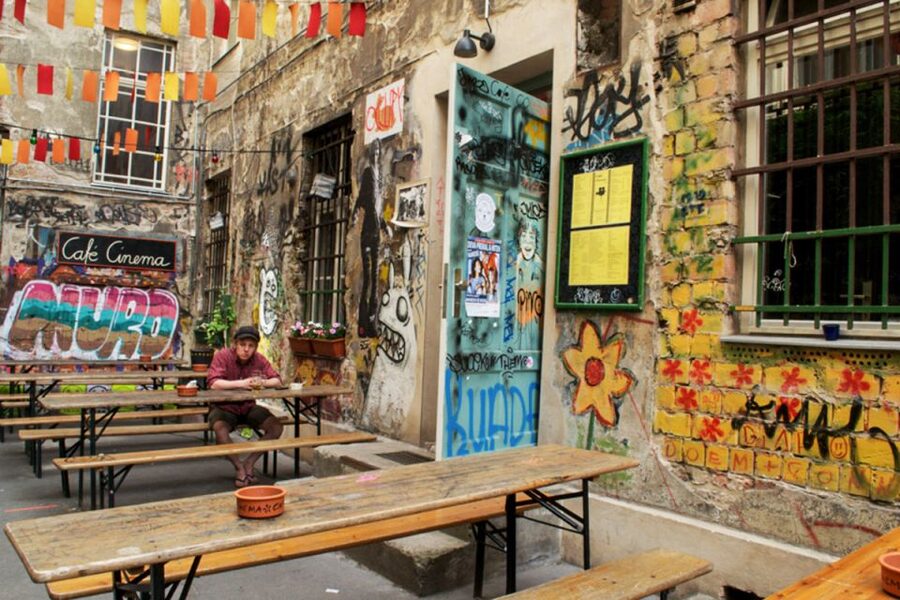
The Prater Beer Garden also enters the story. Its importance is not only the chance to sit with a drink. Beer gardens, cafés, and casual meeting places have long helped Berlin’s social and political life develop. The guide uses these settings to explain how people gathered, argued, performed, and built communities.
The tour also includes an African beach bar and market connected to Berlin’s music scene. That sounds unusual, and it is precisely the kind of stop you are unlikely to discover through a standard sightseeing route. The value comes from hearing how music, migration, commerce, and leisure overlap in the city.
Following the city’s music and nightlife story
Berlin’s music culture gets more attention than on a conventional historical walk. The tour connects clubs, punk, artists, musicians, graffiti, and political movements, showing how sound and nightlife helped define neighborhoods.
You will not receive a full club guide, and this is not a late-night outing. Instead, the music discussion explains why certain districts became associated with experimentation and why Berlin attracted people who wanted room to live differently.
That broad view is helpful. A club is not just a place to dance, and a record store is not just a shop. Both can reflect changes in rent, migration, identity, and local politics. The strongest guides use stories and personal experience to make those links clear.
The route ends in Friedrichshain, another district associated with creative life and changing urban space. Finishing there gives you a useful base for continuing your evening, though the tour does not promise a particular final venue or activity.
How the four hours work in practice

This is a walking tour first, but you may use public transport during the route. An AB ticket may be required depending on the day’s art and tour route. The transport information deserves attention because you might need more than one ride. If you do not want to buy tickets separately, choose the option marked BVG included.
The walk runs in all weather and all year. That matters in Berlin, where a cold, wet afternoon can change the experience. Wear shoes suited to four hours of pavement, and dress for wind or rain. In warm weather, bring water. In winter, gloves and a warm coat will make the stops much easier.
The pace can be brisk. One person specifically found it unsuitable for those with mobility issues, and another wished for a planned break with time for food, a restroom, and rest. The tour does include refreshment breaks, but the timing and length may vary with the route.
Group size can vary. One outing had 15 people, and the guide was still able to keep the group involved in freezing weather and snow. Still, a larger group can make it harder to hear or stay close at busy crossings, so arrive on time and stay near the guide.
The guides make a real difference
The tour uses different guides, and that means the experience will not be identical every day. Rhys is repeatedly associated with strong humor, energy, storytelling, and a history background. Reece is praised for combining cultural detail with a relaxed style and useful suggestions for later in the day.
Jake is described as especially good at handling poor weather while keeping the group interested. Jonathan is known for explaining Berlin’s neighborhoods, political changes, and pop culture in an approachable way. Damien is praised for clear explanations and a good sense of humor.
Ben brings personal experience from many years living in Berlin, while Antonio has led outings that included local stops and currywurst. These names are useful when choosing a date, though guide assignments can change.
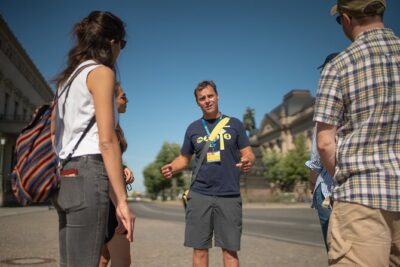
The best reason to value the guide is not that the route includes obscure places. It is that the guide explains why those places matter. This tour works when the narration links a mural to politics, a café to social life, or a former squat to housing and urban change.
Is $29 a fair price?
At $29 per person, this is good value if you want interpretation rather than a simple walk through neighborhoods. You receive four hours with a live English-speaking guide, local tips, photo opportunities, and refreshment breaks. The route covers several districts and may include public transport, which adds practical value.
The price is less attractive if you mainly want famous monuments or a short introduction to Berlin. You will spend much of the time walking and listening, and any food or transit costs may be extra unless you select the BVG-included option.
For me, the value comes from the stories. You could walk through Kreuzberg alone, but you would likely miss the connections between migration, music, housing, graffiti, and politics. If those subjects interest you, $29 is a sensible spend.
Who should book this walk?
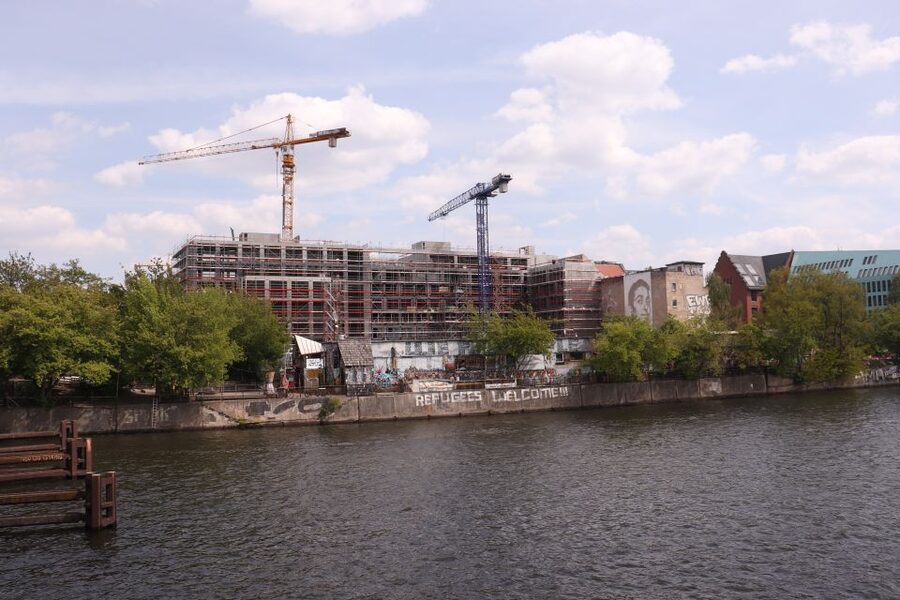
Book it if you want Berlin beyond the usual World War II and Cold War framework. It suits curious first-time visitors, repeat visitors who have already seen the main sights, solo travelers who enjoy meeting an international group, and anyone interested in street art, music, migration, food, or social change.
It is also useful early in your stay. The local tips can help you decide where to eat or what neighborhoods to revisit, and the route may point you toward places you would not find on your own.
Think twice if you dislike group tours, need frequent rest, or want a slow photographic walk. The route is fairly fast, the subject matter is broad, and four hours can feel long in poor weather. Ask about the day’s route and transport needs before booking if you have mobility concerns.
FAQ
Where does the Alternative Berlin Walking Tour begin?
It begins at Alexanderplatz, in front of Vapiano near the TV Tower.
Where does the tour finish?
The tour finishes in Friedrichshain, Berlin.
How long does the tour last?
The walking tour lasts four hours.
Which neighborhoods does the route cover?
The stated route includes Mitte and Kreuzberg, with the finish in Friedrichshain. It also includes café districts, local shopping areas, Turkish neighborhoods, and other multicultural parts of Berlin.
What language is the tour conducted in?
The tour is conducted in English with a live guide.
Is public transport needed?
An AB metro ticket may be required, depending on the current art and tour route. You can buy it yourself or choose the option that includes BVG transport.
Does the tour run in bad weather?
Yes. Tours run in all weather and throughout the year.
Is food included?
The tour includes refreshment breaks and may include a local fast-food stop, such as currywurst, but it is not presented as a full meal experience.
Can I cancel for a full refund?
You can cancel up to 24 hours before the tour for a full refund. A reserve-now, pay-later option is also available.
Should you book it?
Book this tour if you want the Berlin of graffiti, migration, punk, cafés, community gardens, music, alternative housing, and street-level social change. Its best feature is the connection between places that might otherwise seem random.
Skip it if you want famous landmarks, a slow pace, or a compact one-hour introduction. For most curious visitors, though, the four hours and $29 price make sense, especially early in a Berlin stay. Wear good shoes, plan for the weather, check the BVG option, and arrive ready to walk, listen, and look closely.
New walking tours around Berlin
- Berlin: 2.5-Hour Walking Tour through Kreuzberg 61★ 4.9 · 525 reviews
- From Berlin: Potsdam & Sanssouci half day Walking Tour★ 4.9 · 85 reviews
- East Berlin and the Wall: Walking Tour★ 4.9 · 407 reviews
- Cold War, Berlin Wall, Spies and the East Side Gallery★ 4.8 · 254 reviews
- Berlin: Walking Tour of the Top 10 Sightseeing Attractions★ 4.7 · 150 reviews
- Berlin: The Time of National Socialism Walking Tour★ 5.0 · 220 reviews
- Berlin: walking tour about Charité★ 4.4 · 537 reviews
- Berlin : Must-see attractions Walking Tour★ 4.8 · 83 reviews
Berlin Walking Tours, side by side.
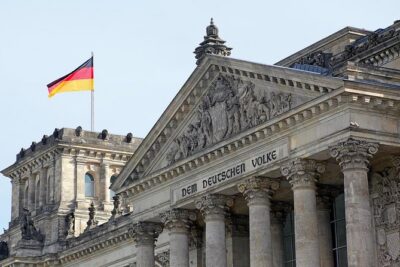
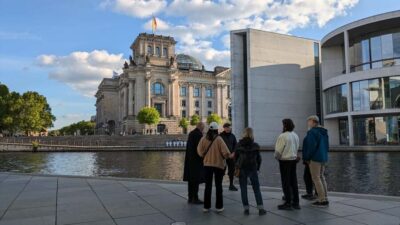
Berlin City walk Government District and Places of Democracy
Read our review →
Berlin: Third Reich & Cold War Guided Walking Tour
Read our review →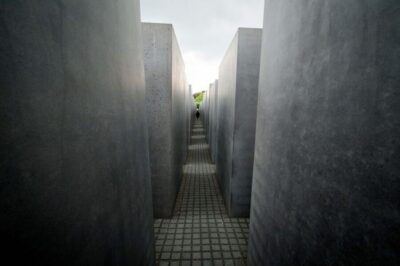
Berlin’s Best: 2 Hour Walking Tour Third Reich and the Cold War
Read our review →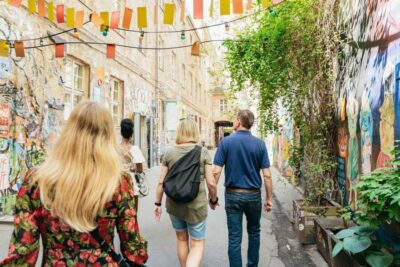
Explore Berlin: See All The Iconic Sights & Some Hidden Gems
Read our review →
Third Reich Berlin: Hitler and WWII Walking Tour
Read our review →Lists this walk sits on