Review · BERLIN
Berlin: Charité Hospital Walking Tour of Medical History
Berlin’s Charité is not just a hospital. It is a place where plague fears, medical breakthroughs, women’s rights, Nazi crimes, and East German politics all meet. This two-hour walk brings those stories together while taking you around the campus’s handsome neo-gothic buildings and into the 18th-century Veterinary Anatomy Theatre.
I like the tour’s mix of medical discoveries and human stories, especially the account of Rachel Hirsch, the first woman to hold a medical professorship in Prussia. I also like that it does not skip the difficult chapters, including psychiatric patient killings under the Nazis and the Charité’s role in socialist East Germany. The main drawback is practical: you will be outside for most of two hours, so cold or wet weather can make the walk tiring.
Key points to know before you book

- A plague house became one of Europe’s famous medical institutions: The tour begins in 1710, when Charité was built to protect Berlin from an approaching epidemic.
- The Veterinary Anatomy Theatre is the central indoor stop: This 18th-century building is the oldest academic building still in existence in Berlin, though it can occasionally close for events or public holidays.
- Medical history here is not told as a simple success story: You will hear about bloodletting, mercury, amputations, scientific breakthroughs, discrimination, and medical crimes.
- Rachel Hirsch’s story adds a strong social-history angle: Her 1913 appointment marked a major step for women in medicine, even though she met resistance.
- The walk is useful for fans of the Charité television series: It connects real people and events from the hospital’s past with the stories presented on screen.
- The finish works well for a wider Berlin day: The tour ends at Alexanderufer, close to Berlin Central Station and further sightseeing.
Starting at Robert-Koch-Platz with medicine’s biggest names
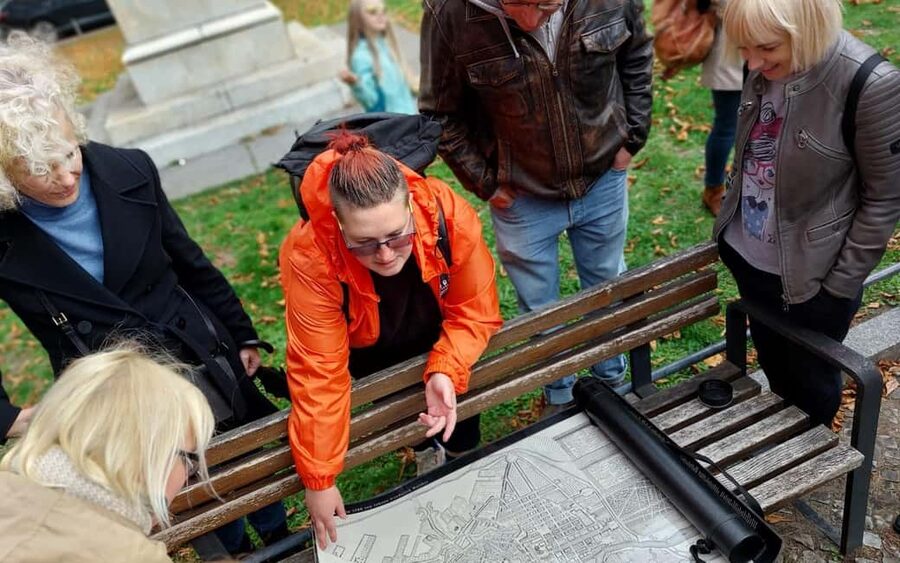
You meet by the Robert Koch statue in Robert-Koch-Platz. Look for the guide with an orange umbrella. This is a practical meeting point, and the statue immediately puts you in the right frame of mind: Charité is closely tied to the scientists who changed modern medicine.
The first story reaches back to 1710. Berlin built Charité as a simple plague house when an epidemic threatened the city. It was not yet the grand medical center suggested by the name. It was a place for containing danger, and the early methods used there could be harsh by modern standards.
Bloodletting was common. Mercury was given as medicine. Amputations were performed when doctors had few other ways to deal with serious illness. I find this beginning useful because it keeps the tour grounded. You see how far medicine has moved, but you also see that progress was slow, uncertain, and often painful.
From here, the tour moves into the history of the Charité campus. The buildings and courtyards provide the setting, but the guide’s job is to connect those spaces with people. Robert Koch and Rudolf Virchow are among the major names tied to the institution. Their work helped shape medical science, and their careers also reflect the changing role of research in the hospital.
The experience is not a formal museum visit. You are walking around an active hospital and university area. That means you should not expect to enter every building or see hospital interiors. Some areas are restricted because medical and university work continues there.
More History Walking Tours in Germany
- Berlin: History of the Third Reich Guided Walking Tour
★ 4.7 · 791 reviews - Berlin Historical Highlights Walking Tour
★ 4.9 · 657 reviews - Berlin Private Complete History All Day Walking Tour
★ 5.0 · 474 reviews
The Veterinary Anatomy Theatre and its 18th-century purpose
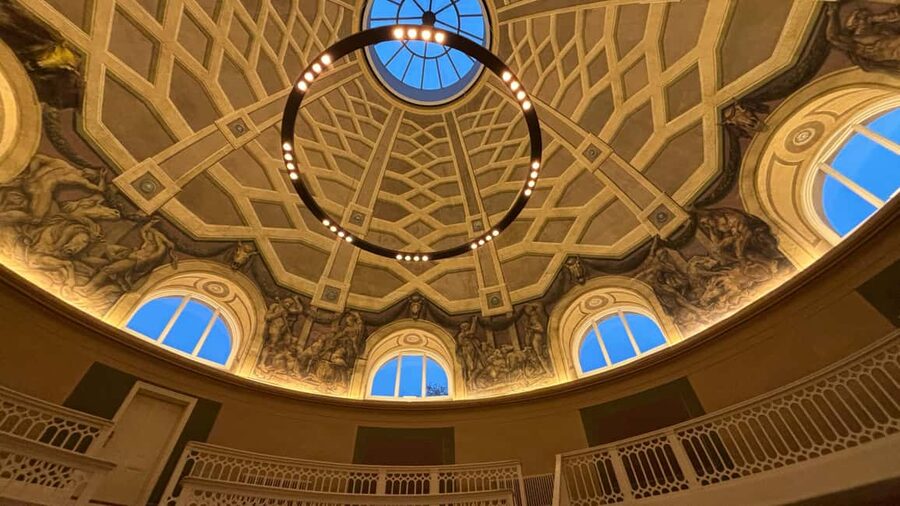
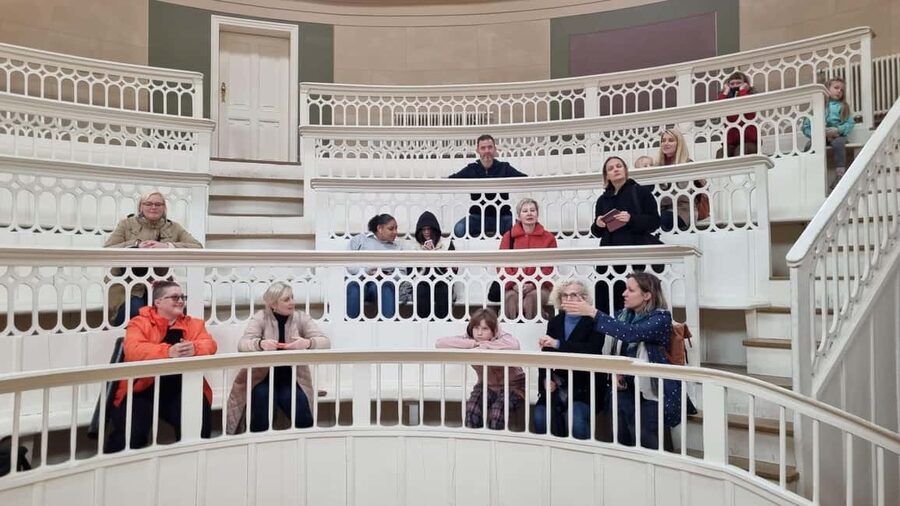
The Veterinary Anatomy Theatre is the tour’s clearest indoor highlight. You spend about 15 minutes visiting this building, which dates to the 18th century and is described as the oldest academic building still in existence in Berlin.
Its original purpose was practical. Doctors and scholars examined disease in livestock and cavalry horses, animals that mattered to the city’s food supply, transport, and military system. The theatre gives you a direct link to a time when medical research was not limited to human patients.
I like this stop because it broadens the usual story of medical history. You are not only hearing about famous doctors in white coats. You are seeing how animal health, urban life, agriculture, and the army shaped scientific work.
The visit is short, so you should not expect a long museum session or a large collection of displays. Its value comes from the building itself and from the explanation of what happened there. On some dates, the theatre may close for internal events or public holidays. If entering the building is especially important to you, check its availability before booking.
The tour includes admission to the theatre, which helps the $29 price make sense. You are paying not only for a guide but also for access to a historic academic site that you might otherwise pass without understanding.
Neo-gothic buildings and the people behind the breakthroughs

After the Veterinary Anatomy Theatre, the route continues around the historical Charité campus. The walk includes guided sections of about 15 minutes each, but the full experience lasts two hours. That tells you something important: the short listed stops are only part of the outing. Much of the value comes from the guide’s running explanation as you move between buildings.
The campus architecture gives the tour a strong visual setting. Neo-gothic details make the hospital feel more like a historic institution than a modern medical complex. Still, you are not simply looking at façades. The guide uses the buildings to explain how medical teaching, research, and hospital care developed in Berlin.
Robert Koch is one of the names you will encounter. He is closely associated with important work in bacteriology and with the changing scientific approach to infectious disease. That makes his connection to a hospital founded during plague fears especially fitting.
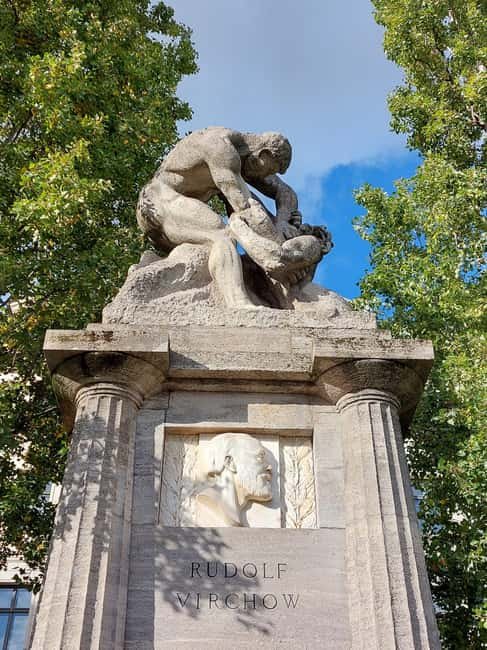
Rudolf Virchow adds another major thread. His work is part of the wider story of modern medicine and public health. The tour’s focus on people helps you remember the material better than a list of dates would. You hear about careers, choices, and the conditions in which medical ideas took shape.
The strongest guides also keep the tone human. A German-language tour led by Martina, for example, was praised for presenting the campus story in an impressive but lively way. Another account singled out the guide’s medical knowledge and authentic approach. You should still understand that guides can vary, but the format gives a good guide room to add useful medical context rather than simply reciting architecture.
Rachel Hirsch and the fight for women in medicine
One of the tour’s most valuable stories is Rachel Hirsch’s. In 1913, she became the first woman to hold a medical professorship in Prussia. That appointment was a major step forward, but it did not mean the institution suddenly became welcoming to women.
Hirsch faced resistance within the Charité. Her story shows that progress can arrive with conditions attached. A woman could reach a senior academic position and still encounter opposition from the people around her.
I like this part because it prevents the tour from becoming a parade of famous men. Medical history is often told through discoveries and institutions, but the people allowed to participate in that work matter just as much. Hirsch’s career gives you a clear example of how social attitudes were changing in the early 20th century, while old barriers remained in place.
This is also one reason the tour suits visitors who are interested in more than medicine. You are learning about gender, education, professional power, and the politics of a major institution. The story adds social context without pulling the tour away from the Charité itself.
The subject matter is one reason the experience is recommended for people aged 14 and up. Younger children may find the walking dull, and the themes become serious when the route reaches the Nazi period.
More History Walking Tours in Berlin:
- Berlin: Historic Center Walking Tour with a Real Berliner
★ 5.0 · 134 reviews - History and Hauntings of Salem Guided Walking Tour
★ 5.0 · 14,564 reviews - Lisbon: History, Stories and Lifestyle Walking Tour
★ 4.8 · 10,902 reviews - Boston: Freedom Trail History Small Group Walking Tour
★ 5.0 · 6,450 reviews
The Nazi era and the limits of medical progress

The Charité’s past includes a deeply disturbing chapter under Nazi rule. Medical ethics were pushed aside, and racial hygiene theories were enforced with brutal force. Some doctors stayed silent. Others helped organize the killing of psychiatric patients.
This section needs careful treatment, and it is one of the reasons I would not describe the walk as a light sightseeing activity. The tour asks you to look at how a respected medical institution could be used to support persecution and murder. Scientific status did not protect people from political ideology. In some cases, medical authority helped give that ideology a false appearance of legitimacy.
You will not hear only about heroic doctors or useful discoveries. You will also hear about professional responsibility and what happens when doctors abandon it. That makes the Charité tour more honest than a standard architecture walk.
The material may be difficult, especially for visitors with a personal connection to psychiatric care, forced sterilization, or Nazi persecution. The supplied information does not describe the exact presentation or length of this section, so you should expect serious historical discussion rather than a detailed memorial visit.
For me, this is an important part of the experience because it shows why medical history is not neutral. Hospitals can heal, teach, and discover. They can also become involved in state violence when ethics collapse.
Charité under socialism and the view toward the West

The story continues after the Nazi period, with the Charité’s role in East Germany. The socialist state took pride in the hospital’s achievements, presenting it as proof of the strength of East German medicine and education.
At the same time, some windows facing the capitalist West were bricked up. It is a small physical detail, but a memorable one. You can understand the political division of Berlin through the building itself, not only through a lecture about the Berlin Wall.
This part makes the tour useful for anyone trying to connect Berlin’s medical institutions with the city’s 20th-century political history. The Charité was not outside politics. Its buildings, public image, and daily work were affected by the changing governments around it.
The route does not promise access to every part of the campus. Some sections are restricted because the hospital and university still operate there. You may be able to explore certain areas on your own after the guided walk, but you should not expect a full behind-the-scenes hospital tour.
That limitation is worth keeping in mind. If you want operating rooms, laboratories, or active hospital interiors, this is not the right product. If you want the history of the institution as seen from its historic grounds, it fits much better.
What the Charité television series adds to the experience
The tour also explains the real-life stories behind the Charité television series. If you have watched the show, you will gain extra context for the people, medical developments, and institutional pressures it presents.
Even if you have not seen the series, this material can help. The television connection gives the history a familiar entry point, while the guide can separate dramatic storytelling from the actual careers and conditions of the doctors involved.
I would not book the tour solely as a filming-location walk. Its main focus is medical and institutional history, not entertainment. The television material is an added layer that works best if you already have an interest in the series or in historical dramas based on real events.
Price, pace, and practical comfort
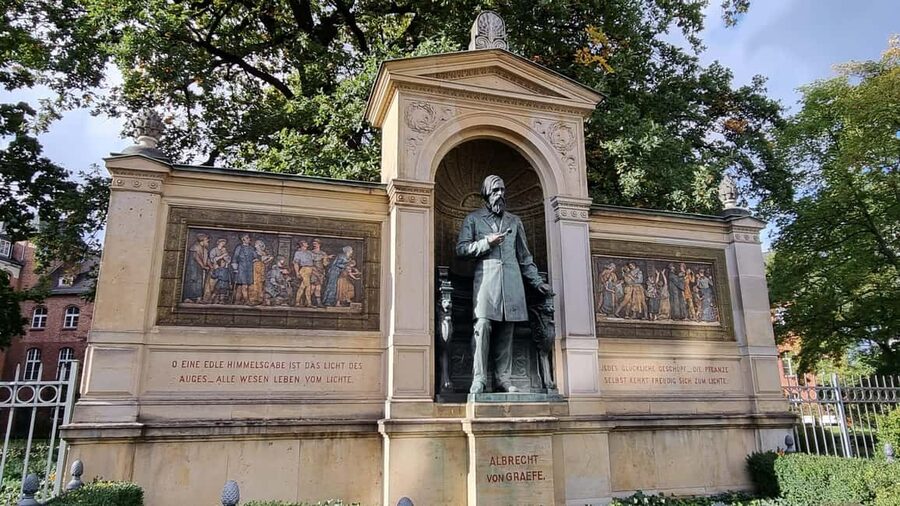
At $29 per person, the tour offers reasonable value for a two-hour guided walk with admission to the Veterinary Anatomy Theatre. The price is strongest for visitors who would otherwise miss the meaning of the campus. You are paying for interpretation, not simply access to a building.
The tour is available in English or German, with a live guide. It is listed as wheelchair accessible, though most of the route is outdoors and involves walking and standing for approximately two hours. If you use a wheelchair or have limited stamina, confirm the current route details before booking, especially since parts of the campus are restricted.
Wear comfortable shoes and bring water. In cold weather, dress warmly. One account specifically described a two-hour walk in cool, damp conditions that remained engaging, but the weather still matters. Good shoes and a proper coat will make a real difference.
The meeting point at Robert-Koch-Platz and the finish at Alexanderufer are useful for planning. The ending is close to Berlin Central Station, so you can continue toward another part of the city, catch a train, or use the station for food and transport.
Cancellation is flexible up to 24 hours before the start for a full refund, and you can reserve while paying later. Those terms are useful if your Berlin schedule is still changing, but the weather is the bigger practical concern.
Who should book this Charité walk?
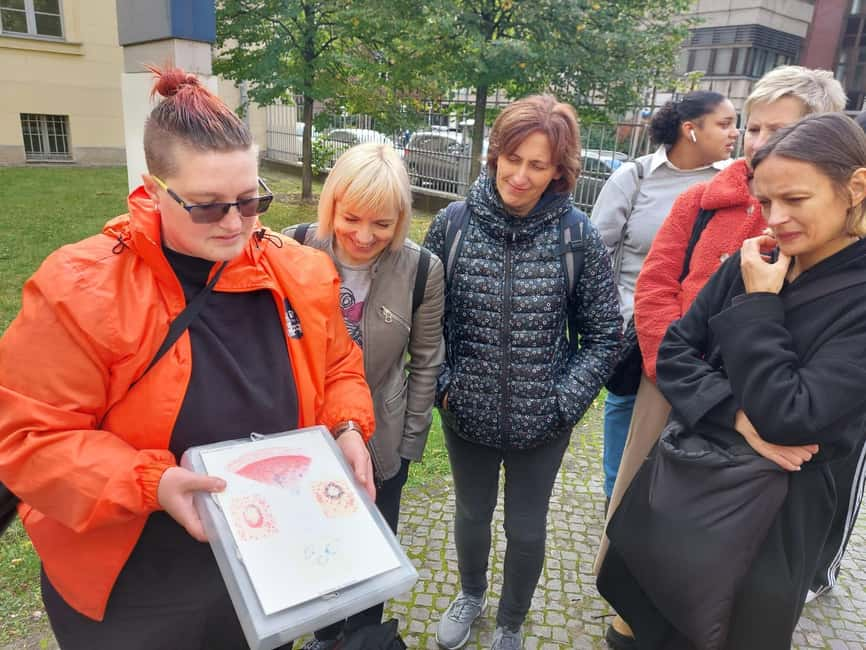
I would choose this tour if you like medical history, historic architecture, social change, or Berlin’s difficult 20th-century past. It also suits fans of the Charité television series and visitors who want a more focused activity than a general city tour.
The experience works especially well for older teenagers and adults. The recommended age is 14 and up, and all minors must be with an adult. The Nazi-era material and medical history are serious, so families should decide based on the child’s maturity rather than age alone.
I would skip it if you want a fully indoor museum visit, a short sightseeing stop, or access to active hospital buildings. You should also think twice if you dislike standing outdoors or if cold weather will spoil your day.
The strongest parts are the unusual Veterinary Anatomy Theatre, the direct connection to Robert Koch and Rudolf Virchow, Rachel Hirsch’s overlooked place in medical history, and the honest treatment of Nazi crimes. The high rating of 4.9 from 276 bookings fits the tour’s clear strengths: it is informative, personal, and more carefully balanced than a simple list of medical achievements.
Should you book the Berlin Charité Hospital Walking Tour?
Book it if you want Berlin history told through one institution. You will see neo-gothic architecture, enter an unusual 18th-century academic building, and follow the Charité from plague control to modern medical science, including its failures and moral disasters.
The best choice is to go in mild weather, wear good shoes, and arrive ready to walk and listen. At $29, it is a sound pick for curious visitors who value context and a strong guide more than access to hospital interiors. If that sounds like your kind of afternoon, this tour gives you an unusual and serious look at Berlin.
FAQ
Where does the Charité hospital walking tour begin?
The tour begins at Robert-Koch-Platz, by the Robert Koch statue. Look for the guide holding an orange umbrella.
Where does the tour finish?
The tour finishes at Alexanderufer, 10117 Berlin, near Berlin Central Station.
How long does the tour last?
The walking tour lasts two hours.
What languages are available?
The tour is offered with a live guide in English or German.
Is the Veterinary Anatomy Theatre included?
Yes. The tour includes free admission to the Veterinary Anatomy Theatre, with a visit lasting about 15 minutes.
Can I enter the hospital and university buildings?
Entry to buildings where hospital or university activities take place is not included. Some campus areas are restricted for guided tours, though you may be able to explore certain areas independently afterward.
Is the tour suitable for children?
The tour is recommended for ages 14 and up because of its historical content. There is no strict age restriction, but all minors must be accompanied by an adult.
What should I bring and wear?
Bring comfortable shoes and water. Most of the tour takes place outside, so dress warmly in cold weather. The Veterinary Anatomy Theatre can occasionally be closed for internal events or public holidays.
New walking tours around Berlin
- Berlin: 2.5-Hour Walking Tour through Kreuzberg 61★ 4.9 · 525 reviews
- From Berlin: Potsdam & Sanssouci half day Walking Tour★ 4.9 · 85 reviews
- East Berlin and the Wall: Walking Tour★ 4.9 · 407 reviews
- Cold War, Berlin Wall, Spies and the East Side Gallery★ 4.8 · 254 reviews
- Berlin: Walking Tour of the Top 10 Sightseeing Attractions★ 4.7 · 150 reviews
- Berlin: The Time of National Socialism Walking Tour★ 5.0 · 220 reviews
- Berlin: walking tour about Charité★ 4.4 · 537 reviews
- Berlin: Kreuzberg Guided Walking Evening Tour★ 4.7 · 555 reviews
Berlin Walking Tours, side by side.


Berlin City walk Government District and Places of Democracy
Read our review →
Berlin: Third Reich & Cold War Guided Walking Tour
Read our review →

Berlin’s Best: 2 Hour Walking Tour Third Reich and the Cold War
Read our review →

Explore Berlin: See All The Iconic Sights & Some Hidden Gems
Read our review →