Review · BERLIN
Berlin Private Complete History All Day Walking Tour
Berlin’s story comes at you fast on this six-hour private walk. You move from Brandenburg Gate and the Reichstag to Hitler’s bunker site, the former Gestapo headquarters, the Berlin Wall, and Alexanderplatz. It is a serious history lesson, but the route also brings in churches, university buildings, parks, and grand squares.
I like the one-to-one guide time and the sheer range of places covered. Guides such as Rhys, Paul, Ciaran, Beth, and Ken are praised for making difficult history clear, answering questions, and adjusting the pace or focus. I also like that you finish with a useful sense of how central Berlin fits together. The catch is simple: this is a long walk, often around 5.5 miles, and $253.95 per person is a serious price unless you value a private guide.
Key points to know before booking
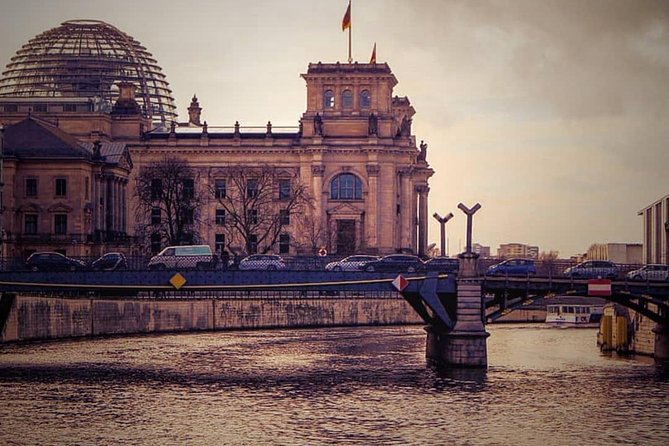
- 22 central Berlin stops: You’ll see Brandenburg Gate, the Reichstag, the Holocaust Memorial, Checkpoint Charlie, Museum Island, and Alexanderplatz in one day.
- A strong WWII and Cold War focus: The route links Nazi power, wartime destruction, Soviet occupation, the Wall, and German reunification.
- Private guide attention: Only your group participates, so you can ask questions and request more or less time at certain places.
- A full day on foot: The tour lasts about six hours, and one account puts the walking distance at roughly 5.5 miles.
- No admission fee is listed for the stops: The value comes from the guide and the context, not from included museum entry.
- Best as an early Berlin activity: The route gives you bearings and helps you decide which sites deserve a longer visit later.
Why this private Berlin walk covers so much
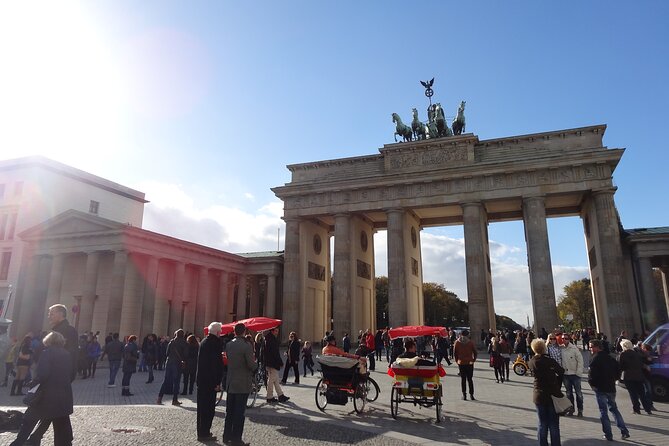
The route begins at Ebertstraße 24, near the Brandenburg Gate, and ends at Alexanderplatz. That direction matters. You start with Prussia, empire, Nazi Germany, and the Cold War, then finish in the former East Berlin center of the German Democratic Republic.
You are not simply checking off monuments. The guide links each place to the next period of Berlin’s story. The Brandenburg Gate becomes more than a photo stop. The Reichstag helps explain the birth of modern German democracy, the Nazi seizure of power, the Battle of Berlin, and reunification. Alexanderplatz then provides a fitting final chapter in a square reshaped by the postwar East German state.
The private format is the main reason to consider this tour over a cheaper group walk. You can stop to ask why a memorial looks the way it does, ask for a clearer explanation of Nazi Germany, or shift attention toward the Cold War. Several guides are praised for adapting to mixed-age groups and for keeping the conversation moving without making the day feel like a lecture.
Still, the route is ambitious. Each of the 22 stops gets only a short introduction on paper. You will see many places from outside, and the tour is best understood as a guided orientation rather than a series of full museum visits.
More History Walking Tours in Germany
- Berlin: History of the Third Reich Guided Walking Tour
★ 4.7 · 791 reviews - Berlin Historical Highlights Walking Tour
★ 4.9 · 657 reviews - Berlin: Charité Hospital Walking Tour of Medical History
★ 4.9 · 276 reviews
Brandenburg Gate and the Reichstag begin the story
At Brandenburg Gate, your guide explains why the gate was built and how its meaning changed as different versions of Berlin and Germany rose and fell around it. During the Cold War, it became a powerful symbol of a divided city. Today, it is one of Berlin’s essential photo stops, so this is a good place to ask your guide to take a picture.
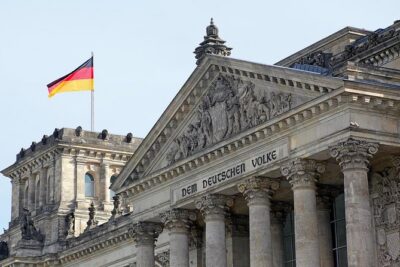
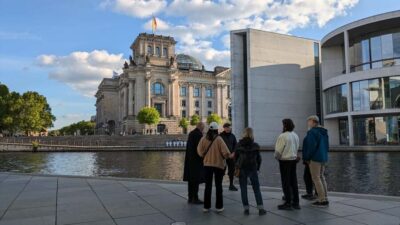
The Reichstag is close by. From outside, you get the story of the Hohenzollerns, the building’s purpose, the events that helped the Nazis secure power in 1933, and the brutal Soviet assault on Berlin in 1945. The guide also covers the building’s later history through reunification.
You should not expect entry to the Reichstag as part of this walk. The stop is about the building and its role in German history. That is useful for a first look, but you will need a separate plan if you want to visit the interior.
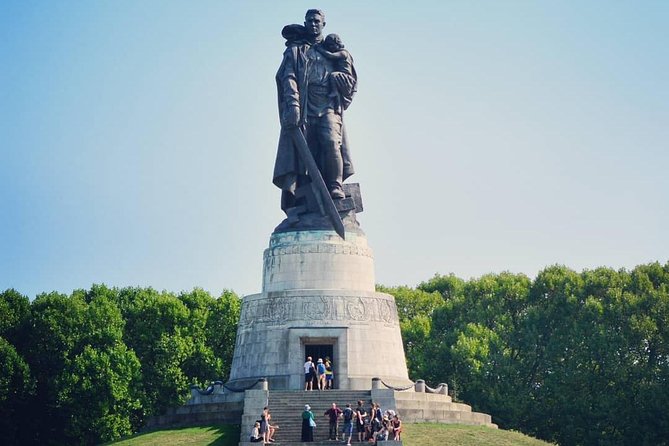
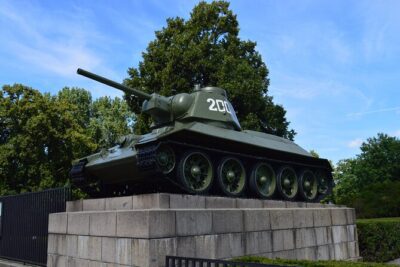
The Soviet Memorial in Tiergarten adds an unusual layer. It was built in West Berlin, and the guide discusses its construction, the surprising source of its materials, and the political arguments around its symbolism. It is not just another statue in a park. It reflects the complicated power balance of postwar Berlin.
Tiergarten and the Victory Column add breathing room
After the opening cluster of buildings, the walk passes through Tiergarten, Berlin’s largest park. Your guide traces the park from its medieval beginnings and explains how war and political change affected it.
This is a useful break in a day filled with grim subjects. You get a little open space, though the route is still active and the stop is brief. The Victory Column is viewed from a distance rather than visited up close. Your guide explains when and why it was built, and where it originally stood, which makes the monument’s location part of the story.
The park section will appeal to you if you like seeing how a city’s public spaces change with its politics. If you prefer a tight schedule of major monuments, these short outdoor stops may feel less urgent than the sites that follow.
Nazi Berlin at the Holocaust Memorial and Führerbunker
The Memorial to the Murdered Jews of Europe is one of the day’s most important stops. You walk among the concrete slabs and discuss the memorial’s purpose and effect. The design invites a personal response rather than offering a simple historical display, so your guide’s explanation helps frame the visit without telling you exactly what to feel.
Nearby, the Führerbunker site is now an ordinary parking area. That contrast is the point. There is no grand ruin to visit and no dramatic structure left above ground. The guide explains where Hitler spent his final days and how the site fits into the final weeks of Nazi rule.
This part of the tour is emotionally heavy. You may appreciate having a guide who can explain the facts, answer difficult questions, and keep the discussion grounded. The experience is not built around spectacle. It asks you to understand how an unremarkable modern setting can sit over one of the most notorious places in 20th-century history.
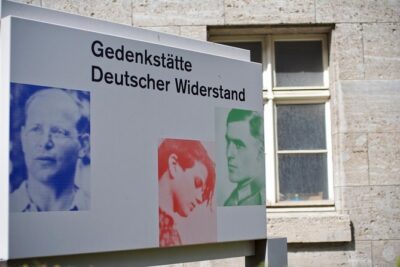
The Johann Georg Elser sculpture shifts the focus to resistance. Elser came close to killing Hitler and changing the course of the war. His story reminds you that opposition to the Nazi regime took many forms, even though the attempt failed.
More Private Walking Tours in Germany
- Private Walking Tour Berlin Third Reich Hitler and World War II
★ 5.0 · 360 reviews - Munich Private Tour with a Local – Highlights & Hidden Gems
★ 5.0 · 469 reviews - Hamburg: Private Couples’ Photoshoot and Walking Tour
★ 4.9 · 212 reviews - Frankfurt: Private or Shared Walking Tour
★ 4.5 · 158 reviews
From Nazi government to the Topography of Terror
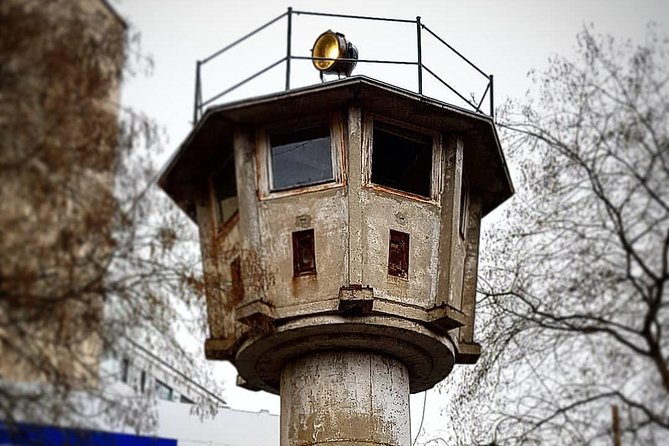
The former Aviation Ministry is an imposing building that has remained in continuous use since 1936. Your guide explains its role during Nazi rule and its survival through the most troubled decades of the century. It is a good example of how Berlin often places layers of history on top of one another without turning every building into a museum.
At the Topography of Terror, you enter the former headquarters area of the SS, Gestapo, and SD. This is one of the day’s most direct encounters with the machinery of Nazi persecution. The guide discusses what happened there and what became of the site after the war.
Because the tour has a private format, you can ask for more detail here if this is your main interest. You can also keep moving if the subject becomes too intense. The stop is free according to the tour details, but you should allow extra time if you want to study the exhibits beyond the guided portion.
The Berlin Wall and Checkpoint Charlie explain the divided city
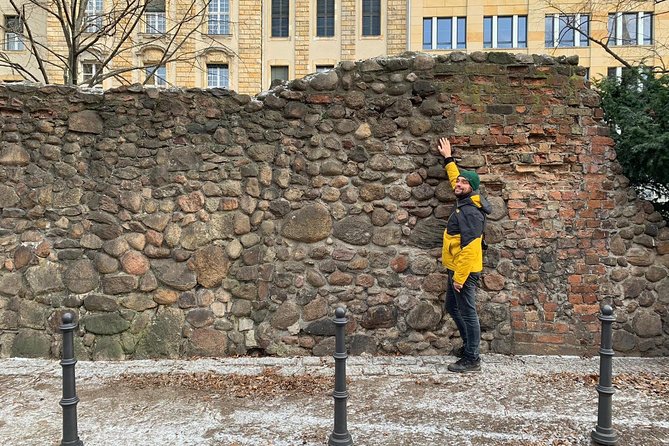
The Wall Memorial gives the Cold War section a physical anchor. You see a preserved section of the Berlin Wall and learn why it was built, how it worked, and what happened to people who tried to cross it. The guide includes stories of successful escapes and tragic deaths, which bring the border system down to a human scale.
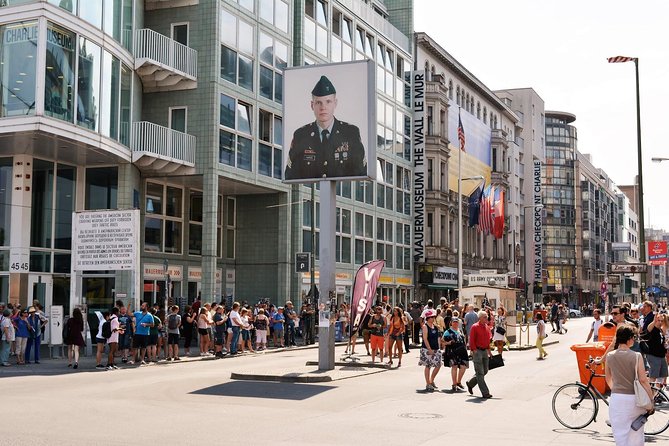
Checkpoint Charlie follows. It is the most famous of Berlin’s former checkpoints and one of the city’s best-known Cold War locations. The stop helps explain the division between East and West Berlin, though its fame can also make it feel more polished and commercial than the preserved Wall section.
That contrast is useful. You see both the famous symbol and a place where the history is easier to read in the remains themselves. If you want an extended visit to a Wall museum, this tour gives you orientation, not unlimited time.
Friedrichstrasse then offers a lighter urban transition. Once known as the Cabaret Mile, it connects the political history of the Cold War with Berlin’s long tradition of nightlife and entertainment.
Gendarmenmarkt and Bebelplatz show another Berlin
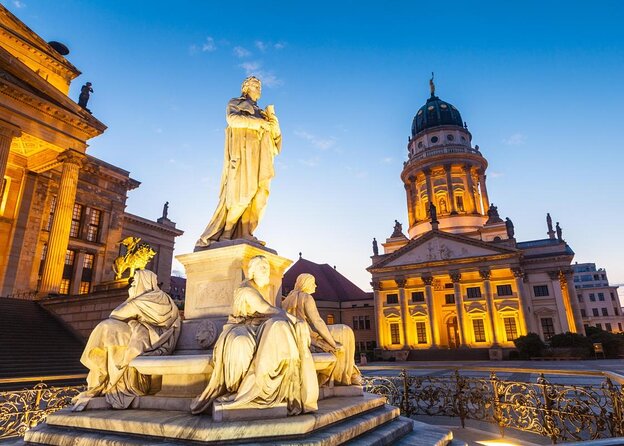
Gendarmenmarkt is one of the city’s most beautiful squares, surrounded by grand architecture. Your guide explains how it developed and why the square became such a major urban setting. It is a welcome reminder that Berlin is not only a city of war memorials and divided streets.
At Bebelplatz, you are surrounded by major 18th-century buildings, including St. Hedwig’s Cathedral, Humboldt University’s law faculty, and the State Opera House. The square is also the site of a major Nazi book burning.
The memorial here is deliberately restrained and thought-provoking. It gives the guide a chance to explain what happened while leaving you with a clear visual reminder of censorship and political control. This is one of the places where the walk’s mix of architecture and difficult history works especially well.
Humboldt University adds another layer. You learn about the institution, the building, and the Humboldt family. The stop is brief, but it helps show why Berlin was also a center of learning and public debate.
Unter den Linden brings politics and memory together
Neue Wache is one of the most moving stops on Unter den Linden. The building changed political meaning several times and now serves as a memorial. Your guide explains those changes before taking you inside, if possible.
That qualification matters. Interior access is not guaranteed, so think of the building visit as a possibility rather than a promise. Even from outside, the site is important, but seeing the memorial interior can make the stop more powerful.
The Deutsches Historisches Museum is discussed from outside. It occupies the oldest surviving building on Unter den Linden, and the guide places it within the wider history of the boulevard. Again, this is an orientation stop rather than a museum admission.
This stretch of the route is especially good for travelers who want architecture with their history. The buildings are not isolated attractions. They help you see how monarchy, religion, education, war, dictatorship, and modern Germany have all used the same central avenue.
Museum Island and the Humboldt Forum
Museum Island is a UNESCO World Heritage site made up of several major museums, the Berlin Cathedral, and buildings shaped by important architects. The guide explains how the island developed and points out the main institutions.
You should not expect time to tour the museums during this walk. Instead, you get the information needed to choose one later. If you already plan to visit the Pergamon Museum, Neues Museum, or another collection, this introduction can help you use your museum time wisely.
The Humboldt Forum brings a more recent and complicated chapter. Your guide discusses the building’s history and why its modern role has prompted debate. This is a good example of the tour moving beyond wartime Berlin to address how present-day Germany handles the past.
St. Mary’s Church is a quieter stop. It is described as Berlin’s oldest church still in continuous use and a fortunate survivor. If the church is open, you may go inside. The visit adds religious and architectural history to a route otherwise dominated by political events.
Alexanderplatz completes the walk in former East Berlin
The tour ends at Alexanderplatz, rebuilt after the war as a major center of the German Democratic Republic. Its architecture and scale feel different from the royal buildings around Unter den Linden, and that difference is the point.
Ending here gives you a useful sense of Berlin’s divided development. You have moved from the Prussian and imperial center, through Nazi and Cold War sites, into a square shaped by East German planning. From Alexanderplatz, you can continue exploring on your own or use public transportation to reach another part of the city.
The ending also makes the tour practical. You do not finish back where you started, so plan your next stop around Alexanderplatz. That is convenient if you want to continue seeing former East Berlin, but less convenient if your hotel or evening plans are near Brandenburg Gate.
Price, pace, and the real value of a private guide
At $253.95 per person, this is not a budget walking tour. The price makes the most sense for couples, families, or small groups who want a private guide and can share the cost. Group discounts are available, though the amount is not specified.
The strongest value is time. In six hours, you cover a large section of central Berlin and get an organized explanation of places that can otherwise seem disconnected. You also avoid wasting your first day figuring out where the major sites are.
The pace can be adjusted to the group, and guides have accommodated ages ranging from 14 to 82. One account describes a break for teenagers at a mall slide, which shows how flexible the day can be. Lunch is not included, but guides can allow a meal break. Food and drinks are your responsibility.
You should wear comfortable shoes and bring water. The tour is conducted entirely on foot, with no private vehicle. Most people can participate, service animals are allowed, and the guide walks at the pace of the group, but the length still deserves serious thought.
Free cancellation is available up to 24 hours before the start time. Changes or cancellations inside that window are not accepted for a refund.
Who should book this Berlin history tour?
Book it if you want a serious first look at Berlin, especially if WWII, the Nazi period, and the Cold War are your main interests. It is also a strong fit if you like asking questions, want a flexible pace, or are traveling with a mixed-age group.
I would especially consider it for a first full day in Berlin. The route gives you a city map in your head and helps you decide where to return for a longer visit. The guides are praised for clear explanations, humor, patience, and the ability to shift between broad history and small details.
I would skip it if you dislike long walks, prefer museum time to outdoor sightseeing, or want a low-cost group experience. You will spend only short periods at many places, and some stops are viewed from outside. The price is justified by private attention, not by included entry tickets.
With a 5.0 rating from 474 reviews and a 99 percent recommendation rate, the experience has a strong record. The practical question is less about quality than fit. If you can handle six hours on foot and want Berlin’s major historical threads tied together by one guide, this is a useful and efficient choice.
FAQ
How long is the Berlin private history tour?
The tour lasts approximately six hours.
How much does the tour cost?
The listed price is $253.95 per person.
Is this a private tour?
Yes. Only your group participates, and the guide’s attention is reserved for your group.
Is transportation included?
No. This is entirely a walking tour, and no vehicle is used.
Where does the tour start?
The tour starts at Ebertstraße 24, 10117 Berlin, Germany.
Where does the tour end?
The tour ends at Alexanderplatz, 10178 Berlin, Germany.
Is hotel pickup available?
Pickup is offered on foot with the guide. Private vehicle pickup is not provided.
Is the tour offered in English?
Yes. The tour is offered in English.
Are food and drinks included?
No. Food and drinks are not included. A meal break may be possible during the day.
Can I cancel for a full refund?
Yes, if you cancel at least 24 hours before the experience starts. Cancellations made less than 24 hours in advance are not refunded.
More Private Walking Tours in Berlin
- Beijing: Forbidden City Tour(Group/Private)-Tickets Included
★ 4.8 · 7,974 reviews - Private Walking Grand Tour of Copenhagen
★ 5.0 · 3,953 reviews - Private 3 hrs Venice Tour: St Mark’s, Walking tour & Boat tour
★ 4.0 · 3,372 reviews - Private Street Food Evening Walking Tour in Ho Chi Minh City
★ 5.0 · 3,175 reviews
More History Walking Tours in Berlin
- Berlin: Historic Center Walking Tour with a Real Berliner
★ 5.0 · 134 reviews - History and Hauntings of Salem Guided Walking Tour
★ 5.0 · 14,564 reviews - Lisbon: History, Stories and Lifestyle Walking Tour
★ 4.8 · 10,902 reviews - Boston: Freedom Trail History Small Group Walking Tour
★ 5.0 · 6,450 reviews
New walking tours around Berlin
- Berlin: 2.5-Hour Walking Tour through Kreuzberg 61★ 4.9 · 525 reviews
- From Berlin: Potsdam & Sanssouci half day Walking Tour★ 4.9 · 85 reviews
- East Berlin and the Wall: Walking Tour★ 4.9 · 407 reviews
- Cold War, Berlin Wall, Spies and the East Side Gallery★ 4.8 · 254 reviews
- Berlin: Walking Tour of the Top 10 Sightseeing Attractions★ 4.7 · 150 reviews
- Berlin: The Time of National Socialism Walking Tour★ 5.0 · 220 reviews
- Berlin: walking tour about Charité★ 4.4 · 537 reviews
- Berlin: Kreuzberg Guided Walking Evening Tour★ 4.7 · 555 reviews
Berlin Walking Tours, side by side.
Berlin City walk Government District and Places of Democracy
Read our review →
Berlin: Third Reich & Cold War Guided Walking Tour
Read our review →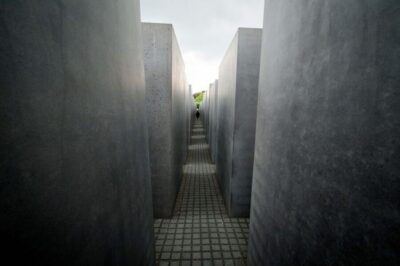
Berlin’s Best: 2 Hour Walking Tour Third Reich and the Cold War
Read our review →

Explore Berlin: See All The Iconic Sights & Some Hidden Gems
Read our review →